Iran Seeks Gulf Support for Hormuz Plan
Iran is seeking Gulf states’ support for a new arrangement governing the Strait of Hormuz as attacks continue to threaten shipping and raise energy costs. The push creates a regional diplomatic fault line, with US allies under pressure and Gulf governments considering a larger role in shaping the conflict’s next phase.
Iran is pressing Gulf states to support a new arrangement governing the Strait of Hormuz. The initiative comes as continued attacks threaten shipping and add to energy costs, while regional governments assess how to respond.
The proposal arrives amid growing frustration among Gulf states over the conflict and pressure on US allies. There are signs that Gulf governments may seek a more active role in determining a path forward rather than simply responding to US or Iranian moves.
The Strait of Hormuz is a crucial shipping route whose disruption can affect energy flows, freight risk and regional security. The specific terms Iran is seeking, which Gulf states support the initiative, and how any arrangement would be enforced remain unclear.
The diplomatic effort remains uncertain. Gulf governments are weighing their response with signs of interest in a larger role, rather than announcing agreement or a formal regional deal. The continued attacks mean the security backdrop remains unresolved even as diplomacy develops.
Key developments to watch include a public response from the Gulf governments, details of Iran's proposed arrangement and any change in attacks or shipping disruption. The effect on energy costs and timeline for these developments remain to be seen.
The Hormuz initiative is a mixed geopolitical signal: diplomacy could ease shipping risk, but continued attacks keep energy and regional-security exposure elevated.
The setup is balanced because a Gulf-backed arrangement could reduce the immediate risk premium in shipping and energy markets, while the continued attacks show that the security problem is not yet resolved. The decisive evidence is a concrete regional response and any verified change in traffic through the Strait, neither of which Bloomberg had established.
A formal Gulf rejection or a fresh escalation affecting Hormuz shipping would reinforce the security and energy-cost risks; a credible agreement and sustained reduction in attacks would undercut them.
CoverageSource: Bloomberg Television · Published here SUN, SEP 13 · 11:37 AM ET · the only report in this recordHow this is decided →
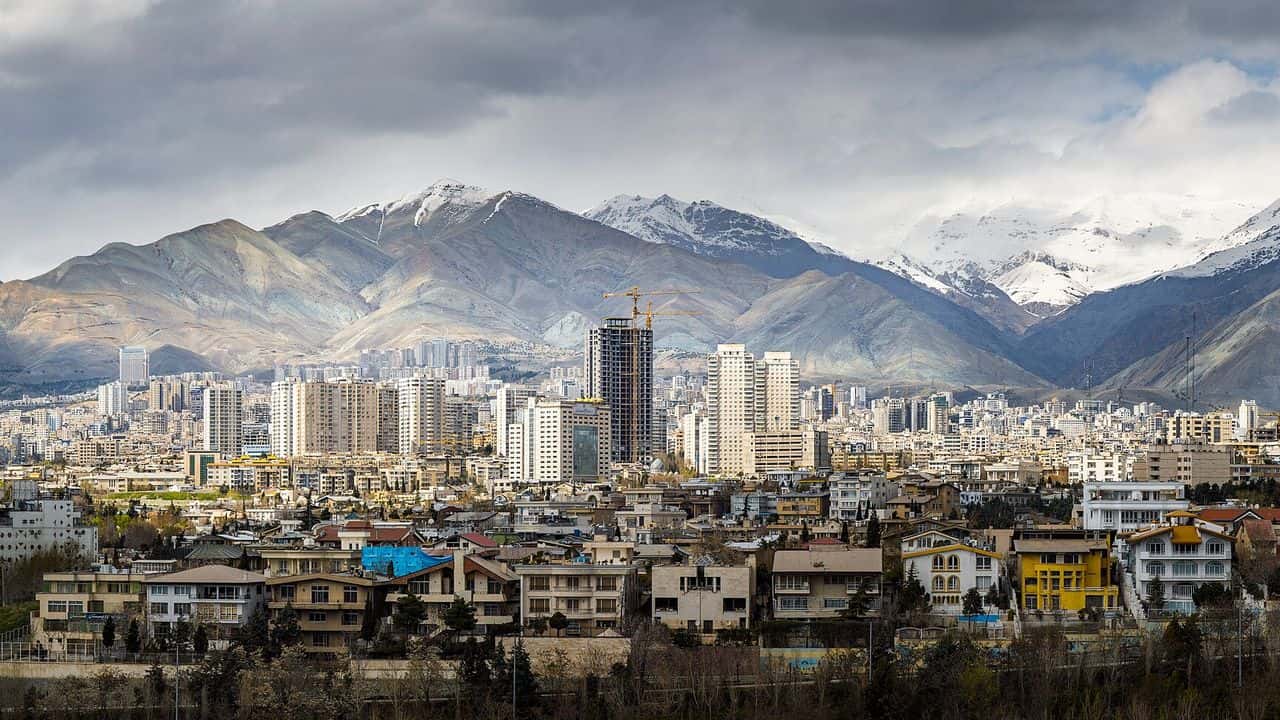 File photo · Tehran · Apr 2019 · Amir Pashaei · CC BY-SA 4.0 · Source & license
Earlier context and later coverage are dated relative to this report. Automatically linked reports may cover a broader event.
No later reports linked yet.
Follow this story to find new evidence in your Following desk.
A Gulf role in shaping a path forward could create a diplomatic channel that lowers the risk of prolonged disruption around the Strait of Hormuz.
Continued attacks remain the stronger near-term risk signal, and Gulf backing or an enforceable plan has not yet materialized.
Kept as written · your side, if you take one, is graded privately against licensed closes after 10 trading days · nothing here is advice · How the Wire is made →