Iran to raise petrol prices as US war triggers shortages
Iran plans to raise petrol prices as the US war drives fuel shortages, threatening a reversal of one of the world’s most heavily subsidized energy regimes. The move could reduce subsidy pressure but risks adding to domestic inflation and social tensions.
Iranian authorities are preparing to increase petrol prices after shortages worsened during the US war. Petrol remains among the cheapest in the world, while officials have warned that the existing subsidy system is no longer sustainable.
The planned change follows a period in which disrupted fuel availability has exposed the fiscal and logistical cost of keeping prices low. The size, timing and implementation mechanism of the increase remain unclear, as does how the additional revenue would be allocated.
The immediate mechanism is domestic rather than a direct earnings event for a named listed company: higher pump prices could reduce the state's subsidy burden and curb some demand, while raising transport costs for households and businesses. The same adjustment could intensify inflationary pressure and create political resistance if shortages persist.
It is therefore unclear whether the move would materially improve fuel availability, or mainly shift the cost of shortages from the state to consumers.
The next concrete markers are the government's announcement of the new price, the implementation date and subsequent evidence on fuel availability and public response.
Iran’s petrol-price plan is a mixed macro signal: it may ease subsidy strain, but the absence of a named company or price schedule leaves no actionable equity read.
The policy could improve Iran’s fiscal position by reducing the cost of fuel subsidies, but that benefit is offset by the risk of higher transport costs, inflation and social opposition. With no named listed company, price increase or implementation date, the evidence supports a macro read rather than a single-name trade.
A delayed or limited increase, or evidence that shortages persist despite higher prices, would undermine the subsidy-relief case; a disorderly public reaction would add downside to the domestic economic outlook.
CoverageSource: Financial Times · Published here MON, SEP 7 · 4:34 AM ET · the only report in this recordHow this is decided →
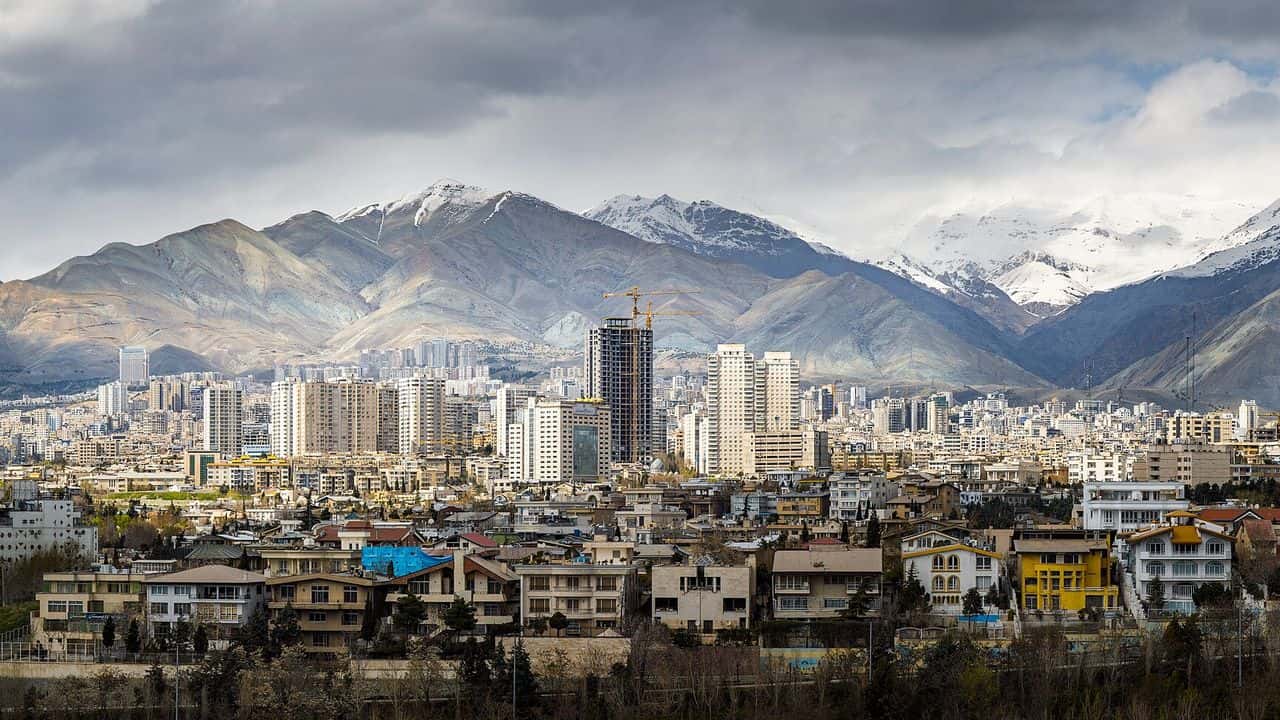 File photo · Tehran · Apr 2019 · Amir Pashaei · CC BY-SA 4.0 · Source & license
Earlier context and later coverage are dated relative to this report. Automatically linked reports may cover a broader event.
No later reports linked yet.
Follow this story to find new evidence in your Following desk.
Higher petrol prices could reduce the state’s unsustainable subsidy burden and help moderate demand during shortages.
The specifics of the price increase remain unconfirmed, and it is not established that higher prices will improve supply. Higher fuel costs could intensify inflation and trigger social resistance.
Kept as written · your side, if you take one, is graded privately against licensed closes after 10 trading days · nothing here is advice · How the Wire is made →