Jobs Report Poses New Test for Warsh and the Fed
Friday’s jobs report is arriving as markets increasingly price a Federal Reserve rate increase as soon as next month, putting new focus on Kevin Warsh and the Fed’s policy reaction. The setup is a macro volatility test rather than a single-name equity trade, with the jobs data determining whether rate-hike expectations strengthen or fade.
Friday's jobs report is being released as investors increasingly expect the Federal Reserve to begin raising interest rates as soon as next month. That expectation puts the report at the center of the market's near-term policy debate.
The report also poses a test for Kevin Warsh and the Fed, as policymakers weigh incoming labor-market data against the risks of keeping rates too low or tightening too quickly.
A stronger-than-expected jobs report would reinforce the case for an earlier rate increase, while a weaker report would challenge that pricing. The immediate read-through is therefore concentrated in rates and macro volatility, with the next Fed communication and subsequent economic data likely to shape whether the market's current expectation holds.
The jobs report puts the next-month Fed hike expectation in play, with the evidence pointing to a macro rates volatility setup rather than a single-name equity read.
The headline identifies a clear macro catalyst: Friday’s jobs report against rising expectations for a Federal Reserve rate increase as soon as next month. No payrolls figure, unemployment rate, ticker enrichment, or market pricing is provided, so the evidence supports a volatility setup but not a quantified directional trade.
The setup loses force if the jobs report does not materially change expectations for a rate increase next month, or if the Fed signals that the labor data will not drive near-term policy.
CoverageSource: NYT Business · Published here MON, AUG 10 · 9:53 AM ET · 2 reports · 2 publishers in this record · latest listed: Yahoo Finance · MON, AUG 10 · 9:53 AM ETHow this is decided →
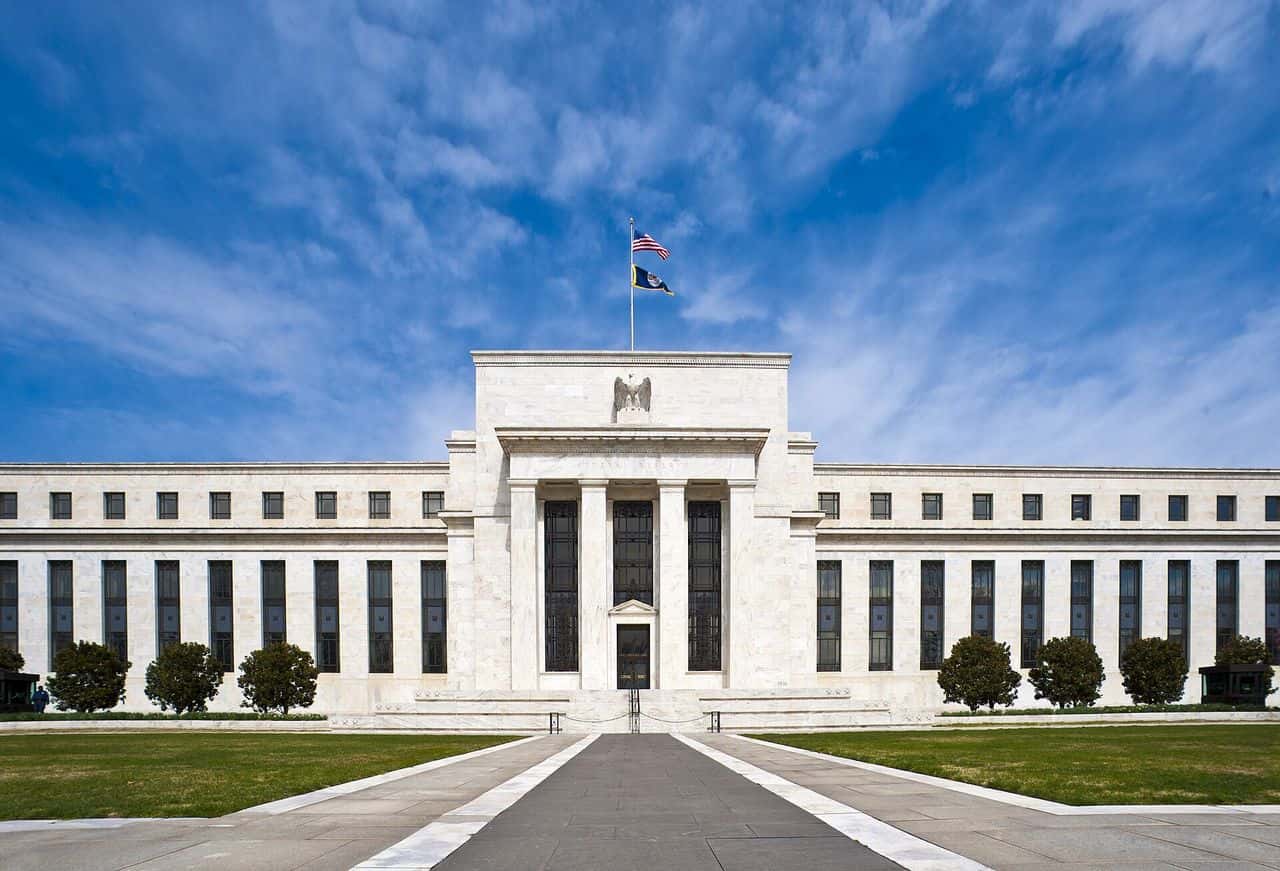 File photo · The Federal Reserve’s Eccles Building, Washington · Mar 2011 · Federal Reserve · Public domain · Source & license
Earlier context and later coverage are dated relative to this report. Automatically linked reports may cover a broader event.
No later reports linked yet.
Follow this story to find new evidence in your Following desk.
A stronger jobs report would reinforce the market’s increasing expectation of a Federal Reserve rate increase as soon as next month.
A weaker jobs report would undermine the case for an early rate increase, while the absence of a specific labor-market figure leaves the directional read ungrounded.
Kept as written · your side, if you take one, is graded privately against licensed closes after 10 trading days · nothing here is advice · How the Wire is made →