10-year Treasury yield reaches 2007 levels as oil prices climb
The 10-year Treasury yield breached levels last seen in 2007 as climbing oil prices intensified concern that energy-driven inflation will keep pressure on bond markets. The setup raises the risk that higher-for-longer rate expectations continue to weigh on interest-rate-sensitive assets.
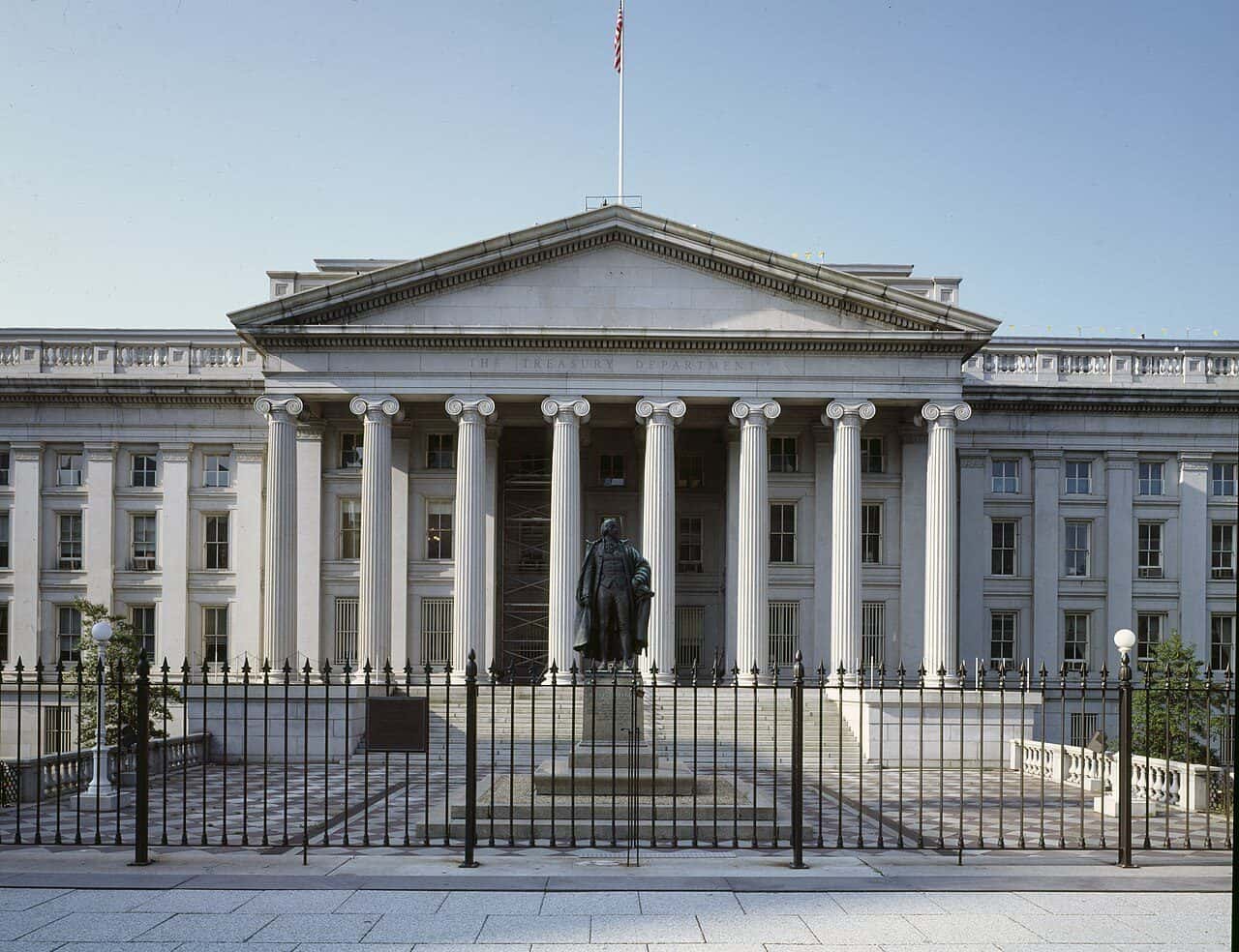 File photo · The US Treasury Building, Washington · date unknown · Carol M. Highsmith / Library of Congress · Public domain · Source & license
The story
The 10-year Treasury yield moved above a level not seen since 2007, according to The New York Times, as oil prices continued to climb. The report linked the bond-market move to renewed concern that higher energy costs could feed inflation and make it harder for interest rates to ease.
The move extends a rate-market pressure point that has resurfaced as investors reassess the inflation outlook.
The direct mechanism is through inflation expectations and monetary policy: more expensive oil can raise costs across the economy, while persistent price pressure can keep borrowing costs elevated. That affects Treasury prices first and can transmit into mortgage rates, corporate financing costs and valuations for long-duration assets.
The key uncertainty is whether the energy move proves durable enough to alter the broader inflation trend rather than producing a temporary market shock.
Next markers are the direction of oil prices, incoming inflation readings and official rate guidance. Those data points would clarify whether the Treasury move represents a lasting repricing of inflation risk or a sharper but temporary reaction to energy costs.
Our read · Tue, Sep 15
The yield surge shifts the macro risk toward tighter financial conditions, but there is no single-company equity read to attach to it.
Why. The implication is a broader tightening in financial conditions: sustained oil inflation could keep Treasury yields elevated and pressure borrowing costs and duration-sensitive valuations.
Both cases
What could change this view: A reversal in oil prices or softer inflation data would unwind the higher-for-longer rate pressure.
Who reported it · 9
Keep reading
Latest on the Wire
BlackRock bitcoin ETF posts $541.1 million outflow as tech sell-off spreadsPoland says Russian missiles and drone crashed during Ukraine assaultAnthropic debut fails to halt technology-led slide in US stocksUS MATCH Act puts ASML at center of China chip export disputeBeijing plans to bar young red-chip firms from overseas listingsContinue on the Wire →Latest on the Wire
Beijing plans to bar young red-chip firms from overseas listingsChina seeks protections to restart US private-equity investmentsAMD shares fall 11% after Hunterbrook warns over China linksWalmart raises full-year outlook as e-commerce wins shoppersContinue on the Wire →Top this week
Nvidia allies lobby board to bring back Jensen Huang as CEONvidia chair rules out Huang return as CEO after 75% sales outlookAnthropic Said to Guide IPO Pricing Above Market RangeNvidia interim CEO Colette Kress faces first earnings test after HuangAnthropic IPO could become the largest in US history on ThursdayAbout this report
Reported by NYT Business as Key U.S. Bond Rate Near 20-Year High as Oil Prices Keep Climbing
, . Who answers for this
9 reports from 5 publishers in this record. Closes are licensed end-of-day data from Databento; the move after a story is its first close against the close before it. How this is decided →
Kept as written · your side, if you take one, is graded privately against licensed closes after 10 trading days · nothing here is advice · How the Wire is made →