Meta Agrees to Settle Lawsuit Over Social Media Claims
Meta has agreed to pay up to $16.7 billion to settle the Oakland lawsuit over social-media harms and will add safeguards for users aged 13 to 17. The settlement removes a major legal overhang but creates a large potential cash cost and new compliance obligations for the company.
The settlement covers the lawsuit at the center of the trial in Oakland, according to Bloomberg Television. Meta agreed to pay up to $16.7 billion, while also committing to additional safeguards for users between 13 and 17 years old.
The agreement comes as the case was already at trial, making the announcement a change from litigation risk to a negotiated resolution. The headline amount is described as "up to" $16.7 billion, which leaves open the conditions that determine the final payment.
For Meta, the direct mechanism is a potential legal payment alongside the operating changes required by the new safeguards. The company's FY2025 revenue was $201.0B, up 22.2% year over year, with a 30.1% net margin and $23.49 diluted EPS. The safeguards affect the company's services used by teenagers.
The settlement leaves several important points unresolved. "Up to" $16.7 billion is not the same as a confirmed cash payment, and the settlement's accounting treatment, timing, and tax effects remain unclear. The extent to which the settlement ends related claims is not established.
The next factual markers are the settlement documentation and any court approval or filing that sets out the amount, payment timetable, release of claims, and enforcement of the teen-safety commitments. Meta's next reported results will also show whether management records a material charge or discusses any effect on operating expenses and advertising performance. Until those details are disclosed, the key open questions are how much of the headline amount becomes payable and how extensive the safeguards will be in practice.
The settlement removes a major litigation overhang for META, but the up-to $16.7 billion liability and teen-safety obligations keep the near-term read mixed.
The setup is mixed because resolution reduces trial uncertainty while the headline liability could be material relative to Meta’s $201.0B FY2025 revenue and 30.1% net margin. The decisive information is the final payable amount, timing, accounting treatment, and operating effect of the new safeguards, none of which the report supplies.
The read changes if the finalized settlement payment is materially below the headline amount or if Meta discloses a significant charge, compliance cost, or effect on teen engagement and advertising.
CoverageSource: Bloomberg Television · Published here MON, AUG 31 · 11:16 AM ET · the only report in this recordHow this is decided →
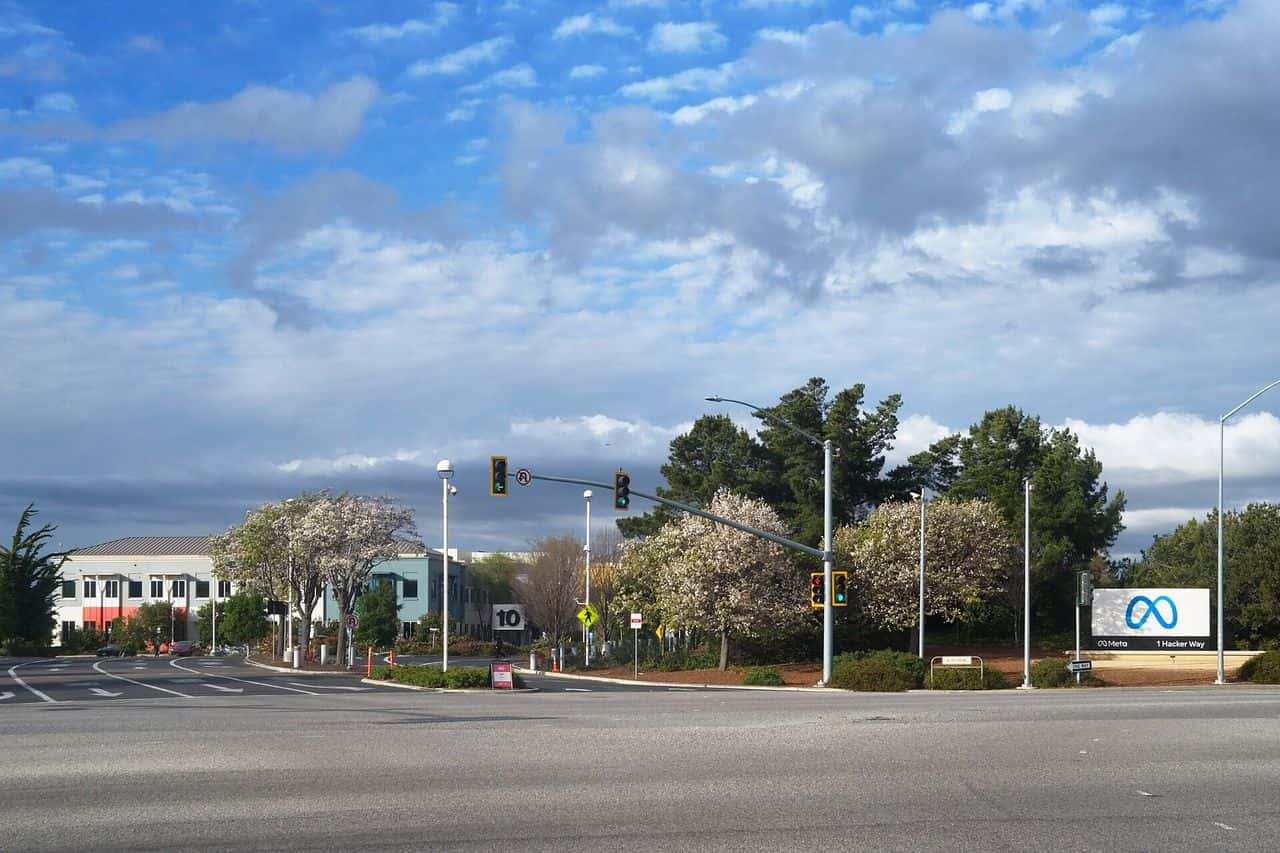 File photo · Meta’s headquarters, Menlo Park · Mar 2022 · LPS.1 · CC0 · Source & license
Earlier context and later coverage are dated relative to this report. Automatically linked reports may cover a broader event.
No later reports linked yet.
Follow this story to find new evidence in your Following desk.
Price context does not establish that the story caused the move.
The strongest bull case is that settlement removes an active trial overhang while Meta’s FY2025 revenue grew 22.2% year over year, giving the company a large operating base against which to absorb the eventual cost.
The bear case is concrete but unresolved: the agreement permits payment of up to $16.7 billion and adds safeguards whose implementation cost and effect on advertising have not been disclosed.
Kept as written · your side, if you take one, is graded privately against licensed closes after 10 trading days · nothing here is advice · How the Wire is made →