Microsoft joins AI cost-cutting trend by relying more on its own models
Microsoft is reportedly shifting its AI strategy to rely more on its own proprietary models, a move aimed at reducing the high costs associated with external AI infrastructure. This trend among tech giants indicates a broader industry push towards optimizing AI spending and internalizing capabilities.
Microsoft is reportedly adjusting its artificial intelligence strategy, aiming to reduce the significant expenditures tied to developing and deploying AI. The company plans to increasingly leverage its own internal AI models and infrastructure, moving away from a heavier reliance on third-party services or less optimized external resources.
This strategic pivot by Microsoft follows a similar trajectory seen across other major tech firms in Silicon Valley, which have been exploring ways to curb the substantial costs associated with AI development, training, and deployment. The high computational demands and specialized talent required for advanced AI have made cost optimization a critical focus for companies looking to scale their AI initiatives sustainably.
The implications for Microsoft (MSFT) are primarily on its operational efficiency and long-term profitability within its AI segments. By internalizing more of its AI model development and deployment, Microsoft could potentially improve its already strong margins, which currently stand at 68.8% gross and 36.1% net. This move suggests a maturation in the AI landscape, where leading players are now focusing on efficiency and proprietary advantage rather than just raw expenditure.
The market will be watching to see how this cost-cutting translates into future earnings reports and whether the shift impacts the pace or quality of Microsoft's AI innovations. Success in this strategy could further entrench Microsoft's competitive position by enhancing its cost structure while maintaining AI leadership.
Microsoft's reported shift to relying more on its own AI models raises the question of whether this cost-cutting measure will significantly boost profitability or if it signals a slowdown in external AI innovation partnerships.
Microsoft's focus on internalizing AI models suggests a strategic move to enhance its already robust 36.1% net margins by reducing external AI costs. This could lead to improved profitability and a stronger competitive moat, especially given its impressive 14.9% YoY revenue growth. The market typically rewards efficiency gains from leaders.
Risk lies in potential delays or underperformance of internal models compared to best-in-class external solutions, or if this move signals a broader slowdown in AI spending that impacts overall tech sector sentiment.
CoverageSource: TechCrunch · Published here TUE, JUL 7 · 3:58 PM ET · the only report in this recordHow this is decided →
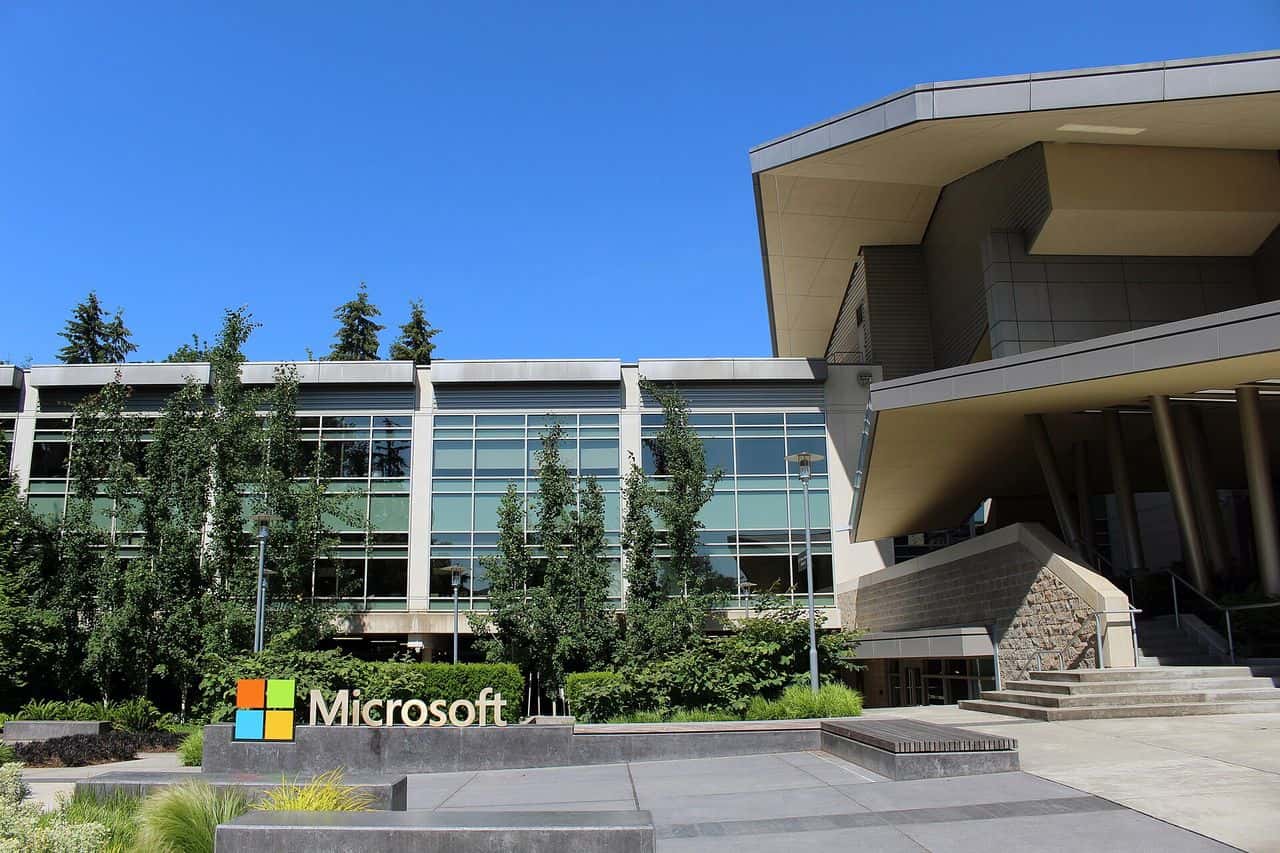 File photo · Microsoft’s campus, Redmond · May 2016 · Coolcaesar · CC BY-SA 4.0 · Source & license
Earlier context and later coverage are dated relative to this report. Automatically linked reports may cover a broader event.
No later reports linked yet.
Follow this story to find new evidence in your Following desk.
Price context does not establish that the story caused the move.
The bull case suggests that by leveraging proprietary AI, Microsoft can further optimize its cost structure and boost its already strong 36.1% net margins, driving higher EPS and sustaining its 14.9% YoY revenue growth trajectory.
The bear case argues that relying solely on internal models might limit access to cutting-edge external innovations, potentially slowing Microsoft's AI development pace or leading to less competitive products in the long run, despite short-term cost savings.
Kept as written · your side, if you take one, is graded privately against licensed closes after 10 trading days · nothing here is advice · How the Wire is made →