Fed releases October meeting minutes three weeks after policy decision
The Federal Reserve released minutes from its October 27–28 FOMC meeting on November 18. The record provides the latest account of officials’ discussion before the next policy decision.
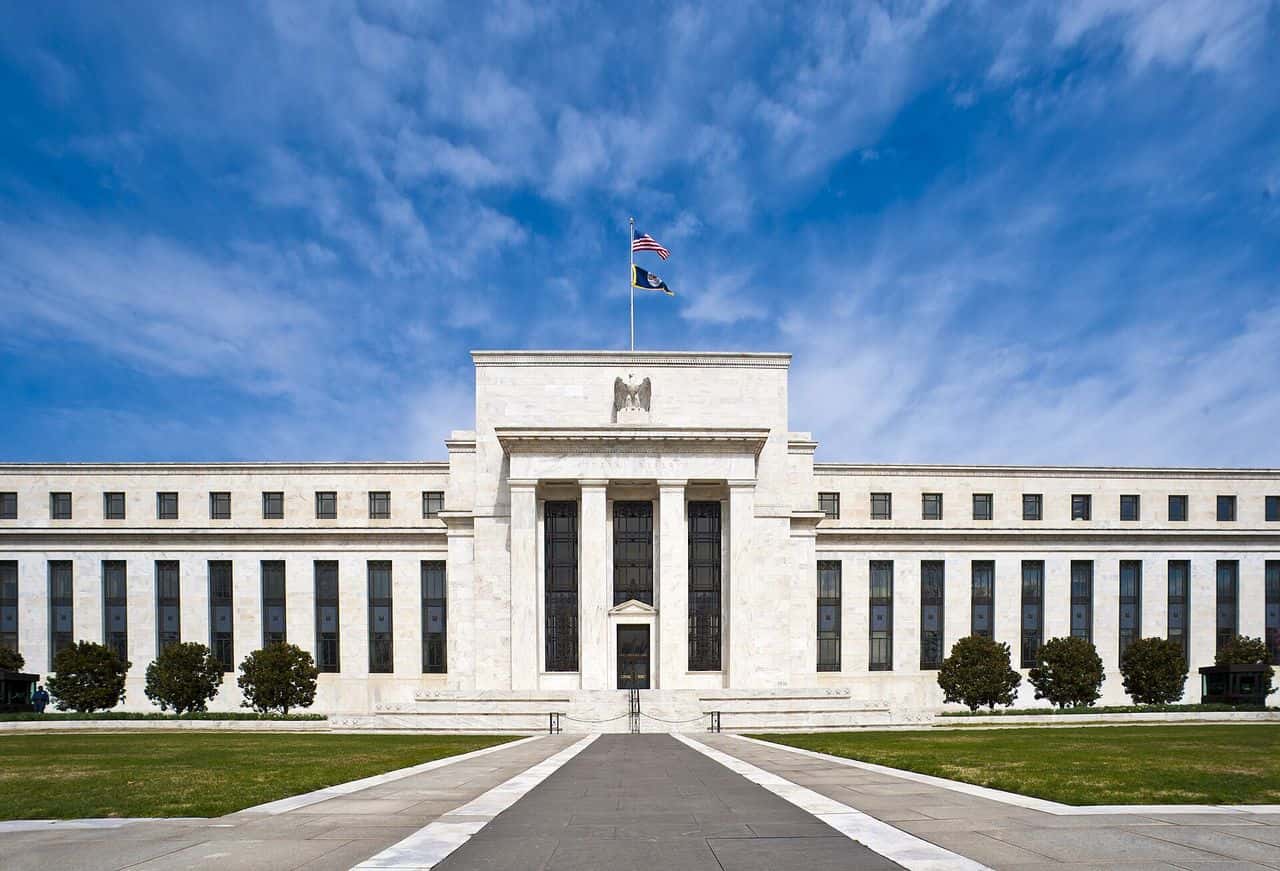 File photo · The Federal Reserve’s Eccles Building, Washington · Mar 2011 · Federal Reserve · Public domain · Source & license
The story
The Federal Reserve published the minutes on November 18, three weeks after the October 27–28 meeting. The document describes the economic and financial conditions available to officials when they deliberated, rather than conditions emerging after that meeting.
The release is the routine publication of the FOMC record. It follows the committee’s October policy decision and precedes the next scheduled decision, but the release notice itself does not state the rate outcome or provide additional policy guidance.
The minutes concern the Federal Open Market Committee and therefore bear on the path of US monetary policy, including how officials assessed growth, inflation, employment and financial conditions at the October meeting. No company-specific revenue, cost or contract mechanism is established by the release.
The main uncertainty is the content of the linked minutes themselves: the release notice confirms their publication but does not summarize the discussion or identify the balance of views among officials. The record is also backward-looking, because its descriptions are based solely on information available at the time of the meeting.
The next dated event that can clarify the policy path is the following FOMC decision and its accompanying communications. Market interpretation will depend on the meeting record’s treatment of inflation, labor-market conditions and the threshold for any future policy change.
Our read · Wed, Nov 18
The Federal Reserve released minutes from its October 27–28 FOMC meeting three weeks after the policy decision.
Why. The release matters through the policy signal in the meeting record, but the publication notice alone does not establish whether officials leaned toward easier or tighter policy. Because the minutes are backward-looking and no company-specific evidence is available, the read remains a macro vote rather than a single-name equity trade.
Both cases
What could change this view: The minutes may contain a policy balance that differs from the market’s initial interpretation, while the release notice itself gives no substantive details about the discussion.
Who reported it · 5
Keep reading
Latest on the Wire
Trump threatens overseas AI data-centre ban for US firmsBitcoin drops below $59,000 as cash rush revives summer-low testGreer says US chip curbs will close China export-control loopholesBlackRock bitcoin ETF posts $541.1 million outflow as tech sell-off spreadsPoland says Russian missiles and drone crashed during Ukraine assaultContinue on the Wire →Latest on the Wire
BlackRock bitcoin ETF posts $541.1 million outflow as tech sell-off spreadsPoland says Russian missiles and drone crashed during Ukraine assaultUS MATCH Act puts ASML at center of China chip export disputeBeijing plans to bar young red-chip firms from overseas listingsContinue on the Wire →Top this week
Nvidia allies lobby board to bring back Jensen Huang as CEONvidia chair rules out Huang return as CEO after 75% sales outlookNvidia interim CEO Colette Kress faces first earnings test after HuangAnthropic IPO could become the largest in US history on ThursdayBitcoin nears $64,000 as Anthropic IPO lifts Nasdaq futures nearly 2%About this report
Reported by Federal Reserve as Minutes of the Federal Open Market Committee, October 27-28, 2026
, . Who answers for this
5 reports from 4 publishers in this record. Closes are licensed end-of-day data from Databento; the move after a story is its first close against the close before it. How this is decided →
Kept as written · your side, if you take one, is graded privately against licensed closes after 10 trading days · nothing here is advice · How the Wire is made →