More Fed Officials Lost Patience About Elevated Inflation at Latest Meeting
Minutes from the Federal Reserve’s July meeting showed broader support for keeping borrowing costs higher to contain persistent inflation. That shifts the near-term macro setup toward tighter financial conditions and raises pressure on rate-sensitive assets.
The minutes from the Fed’s July gathering showed that more officials favored maintaining higher borrowing costs as they assessed lingering price pressures. The discussion indicated broader concern that inflation had not yet been fully subdued, rather than a narrow view held by only a few participants.
The read-through runs through Treasury yields, the dollar and interest-rate-sensitive parts of equity markets, but no single company is identified in the report. Higher policy rates can also affect housing, credit demand and other sectors whose valuations depend heavily on lower financing costs.
The next hard signals are incoming inflation data, labor-market readings and the Fed’s communication ahead of its next policy decision. The minutes do not establish how long restrictive policy will remain in place or whether officials would support another rate increase.
The July minutes move the macro risk toward tighter financial conditions, with no single equity ticker carrying a clean directional read.
The immediate implication is a higher hurdle for rate-sensitive assets: broader concern about persistent inflation reduces the likelihood of an easy near-term policy pivot and keeps financial conditions in focus. With no ticker-specific enrichment and no stated decision to raise rates, the evidence supports a macro risk shift rather than a single-name trade.
A clear moderation in inflation or weakening labor-market data could quickly revive expectations for easier policy and reverse the rates-sensitive read.
CoverageSource: NYT Business · Published here THU, AUG 20 · 7:16 PM ET · 14 reports · 11 publishers in this record · latest listed: Yahoo Finance · THU, AUG 20 · 7:16 PM ETHow this is decided →
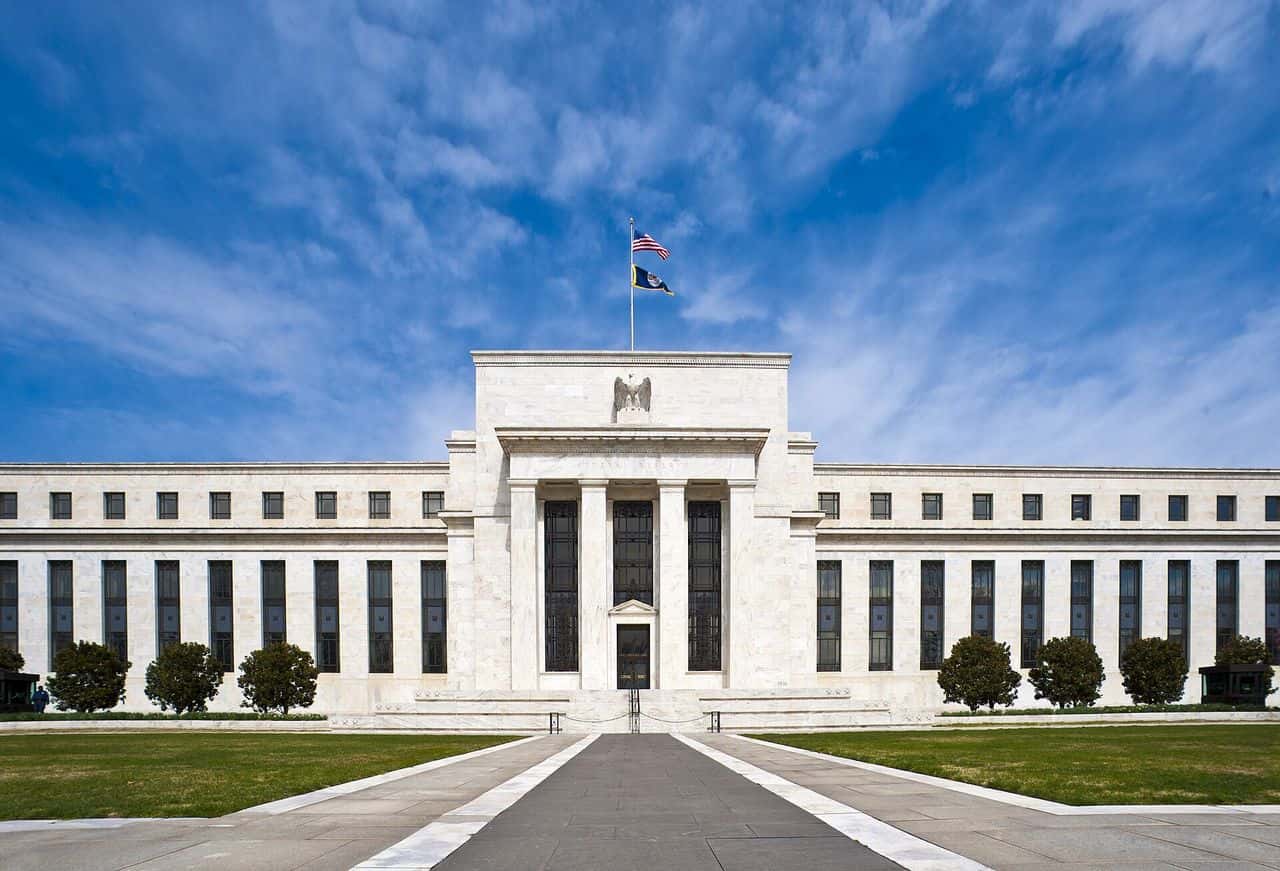 File photo · The Federal Reserve’s Eccles Building, Washington · Mar 2011 · Federal Reserve · Public domain · Source & license
- Investing.com — Fed policymakers’ inflation concerns increased at July meeting, minutes show
- CNBC — Fed officials saw need for rate hike if inflation doesn't cool, minutes show
- ZeroHedge — FOMC Minutes Tilt Hawkish: 'Inflation Risks Skewed To The Upside' Due To AI
- MarketWatch — Fed minutes reveal growing support for rate hikes
- Investing.com — Many policymakers see rate hikes likely if inflation does not fall - Fed minutes
- Federal Reserve — Minutes of the Federal Open Market Committee, July 28–29, 2026
- Axios — Fed officials warned rate hikes may be needed if inflation stays high
- WSJ — Fed Minutes Show Rising Concern Over Inflation
- Reuters — Fed policymakers' inflation concerns increased at July meeting, minutes show
- forbes.com — Fed Likely Hiking Interest Rates Unless Inflation Comes Down, Minutes Show
- Yahoo Finance — Several Fed officials wanted to raise rates last month. If inflation doesn't come down, more of them see hikes.
- Reuters — Fed minutes show September rate hike still on the table
- Yahoo Finance — Many Fed officials flagged inflation threat, possible need to hike rates
Earlier context and later coverage are dated relative to this report. Automatically linked reports may cover a broader event.
No later reports linked yet.
Follow this story to find new evidence in your Following desk.
A restrictive-policy stance could help bring inflation down and eventually create a healthier foundation for risk assets.
The minutes add pressure to rate-sensitive assets through the prospect of higher borrowing costs, while the lack of a confirmed rate increase limits the strength of the bearish macro case.
Kept as written · your side, if you take one, is graded privately against licensed closes after 10 trading days · nothing here is advice · How the Wire is made →