Fed lifts rates to 3.75%-4.0%, raising HELOC borrowing costs
The Federal Reserve raised its benchmark interest rate by a quarter percentage point on Wednesday, taking the target range to 3.75%-4.0%. For homeowners considering a $50,000 HELOC, the move keeps borrowing costs tied to a higher-rate environment and raises the near-term cost of carrying variable-rate debt.
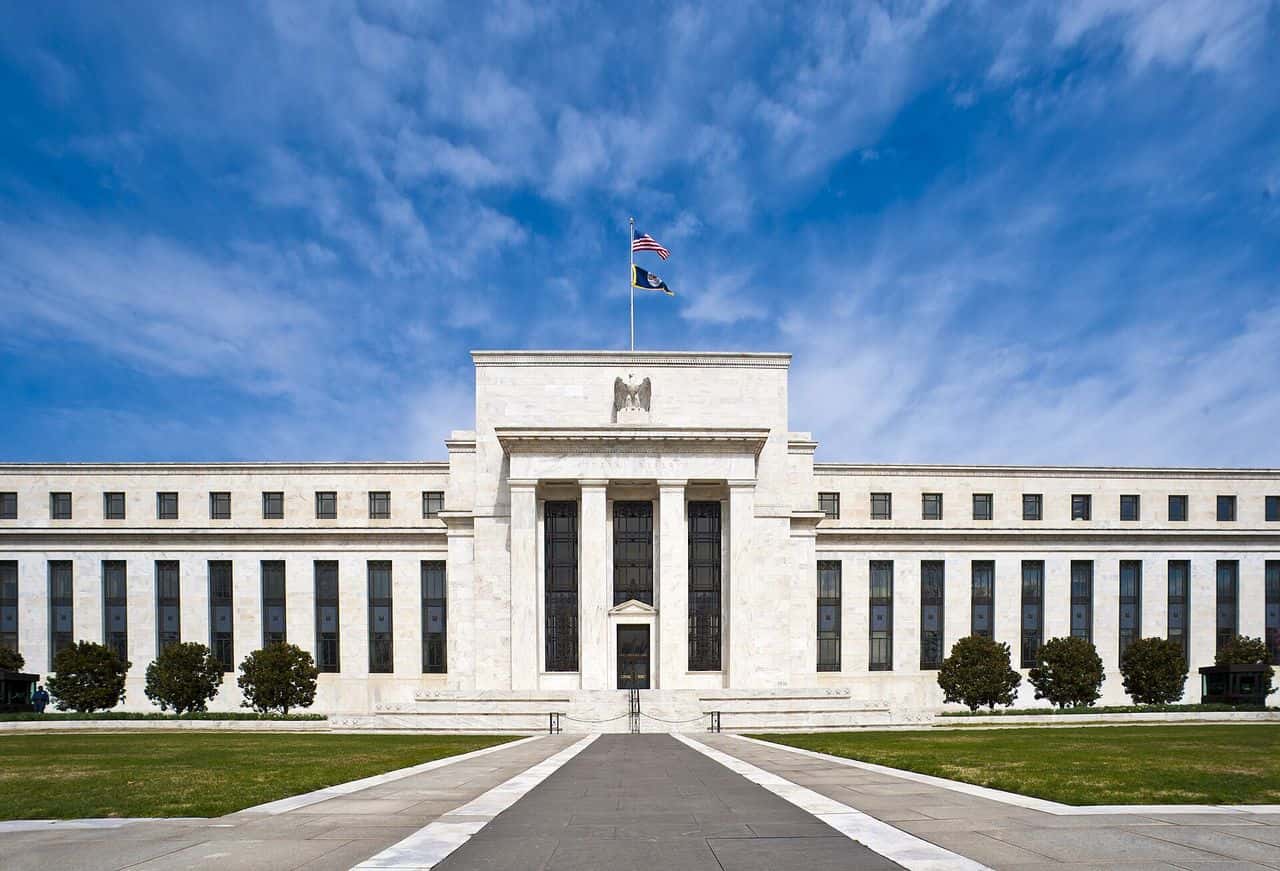 File photo · The Federal Reserve’s Eccles Building, Washington · Mar 2011 · Federal Reserve · Public domain · Source & license
The story
The Federal Reserve increased its policy rate by a quarter percentage point on Wednesday, setting the federal funds target range at 3.75%-4.0%. The MarketWatch item centers on a homeowner whose rental property is paid off but who is considering a $50,000 home-equity line of credit to access cash.
A HELOC typically exposes the borrower to a variable interest rate, so a higher policy-rate range can feed into the cost of new or existing borrowing. The key change in this case is the combination of a paid-off property, which may provide available equity, and a monetary-policy backdrop that keeps short-term financing rates elevated.
The immediate parties are the Federal Reserve and prospective HELOC borrowers. The Fed’s rate decision affects the broader cost of variable-rate credit; the borrower’s actual expense would also depend on the lender’s pricing, the line’s terms and the property’s value, none of which are specified here.
The rate increase establishes the policy backdrop but does not by itself determine whether a particular $50,000 HELOC is affordable or appropriate. The next relevant evidence would be the lender’s offered rate and terms, along with future Federal Reserve decisions that could change the cost of variable-rate borrowing.
Our read · Fri, Sep 18
The Fed’s 3.75%-4.0% policy range keeps variable-rate HELOC costs under pressure, but the item offers no borrower-specific terms or market instrument for a stronger read.
Why. The higher policy range raises the cost backdrop for variable-rate home-equity borrowing, while the lack of lender-specific pricing prevents a more precise read on the $50,000 decision. The next Federal Reserve rate decision is the clearest event that could change that cost backdrop.
Both cases
What could change this view: A lender’s terms, a fixed-rate alternative or a future Fed rate cut could materially reduce the borrowing-cost pressure.
Who reported it · 1
Keep reading
Latest on the Wire
Bitcoin drops below $59,000 as cash rush revives summer-low testGreer says US chip curbs will close China export-control loopholesBlackRock bitcoin ETF posts $541.1 million outflow as tech sell-off spreadsPoland says Russian missiles and drone crashed during Ukraine assaultAnthropic debut fails to halt technology-led slide in US stocksContinue on the Wire →Latest on the Wire
Poland says Russian missiles and drone crashed during Ukraine assaultUS MATCH Act puts ASML at center of China chip export disputeBeijing plans to bar young red-chip firms from overseas listingsChina seeks protections to restart US private-equity investmentsContinue on the Wire →Top this week
Nvidia allies lobby board to bring back Jensen Huang as CEONvidia chair rules out Huang return as CEO after 75% sales outlookAnthropic Said to Guide IPO Pricing Above Market RangeNvidia interim CEO Colette Kress faces first earnings test after HuangAnthropic IPO could become the largest in US history on ThursdayAbout this report
Reported by MarketWatch as My rental property is paid off, but I need cash. Is this a bad time to take out a $50,000 HELOC?
, . Who answers for this
The only report in this record. Closes are licensed end-of-day data from Databento; the move after a story is its first close against the close before it. How this is decided →
Kept as written · your side, if you take one, is graded privately against licensed closes after 10 trading days · nothing here is advice · How the Wire is made →