Oil price surge revives prospect of Bank of England rate rise this year
Oil’s surge has revived expectations that the Bank of England could raise borrowing costs later this year, although investors see it holding rates this week. The setup puts the next policy signal and the inflation path back at the center of UK rate-market pricing.
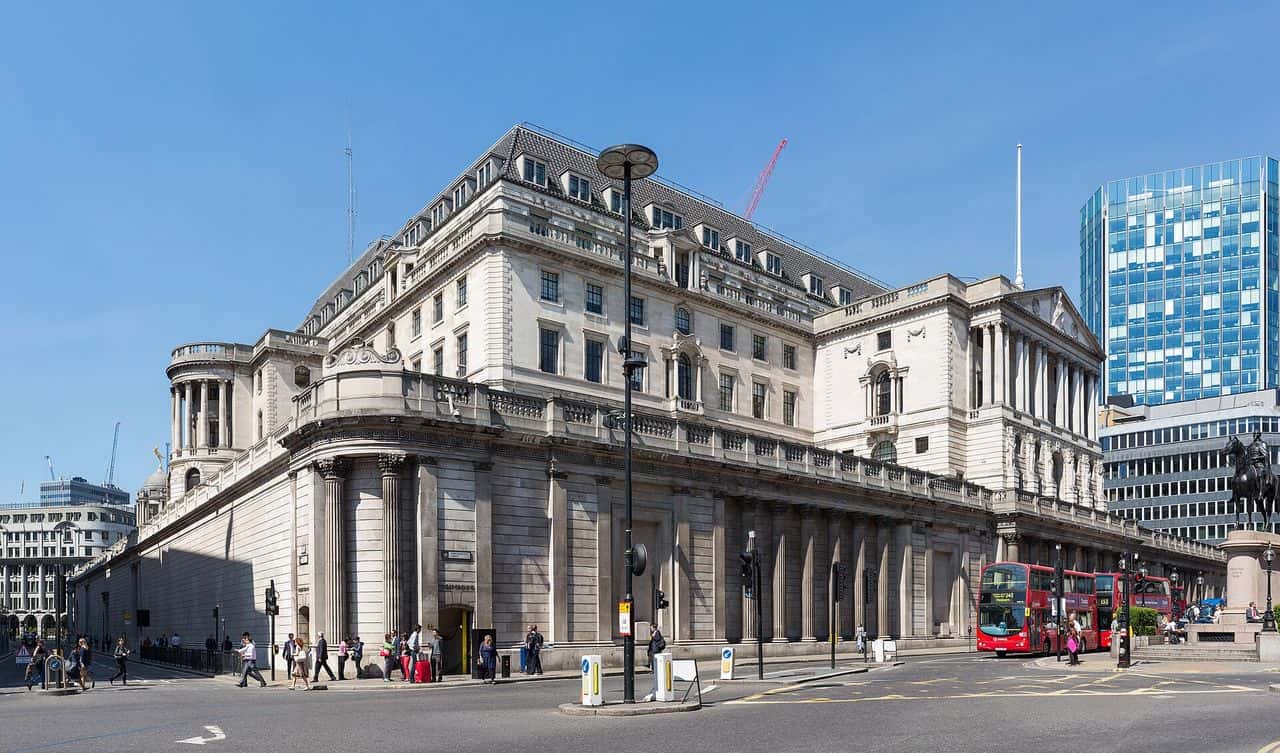 File photo · The Bank of England, London · Jun 2015 · Diliff · CC BY-SA 3.0 · Source & license
Investors expect the Bank of England to leave borrowing costs unchanged at its meeting this week, while signaling that a rate increase later in the year remains possible. The shift follows a surge in oil prices, which has renewed concern that higher energy costs could keep inflation elevated.
The immediate change is in the expected policy path rather than this week's decision: markets are moving from pricing a near-term hold toward a greater possibility of tightening later in the year.
The mechanism runs from oil to household and business costs, then to inflation and the Bank of England's policy response. The central bank's communication this week therefore matters alongside the decision itself, because a warning that energy prices could prolong inflation would reinforce the possibility of a later increase.
Markets still expect a hold this week. The duration of the oil surge, its pass-through into broader prices and the reaction of wages and inflation expectations remain unresolved.
The next dated test is the Bank of England meeting this week. The policy statement and subsequent inflation data will show whether officials treat the energy shock as temporary or as a reason to keep a rate increase in the year's policy path.
The oil shock makes the BoE’s later-year tightening risk more salient, but the immediate policy signal remains a hold.
The immediate market consequence is a wider policy-path risk rather than a confirmed change in this week’s decision: oil’s surge can lift inflation pressure, while investors still expect the Bank of England to hold borrowing costs. The decisive signal is whether officials frame the energy shock as persistent enough to justify a possible rate increase later in the year.
The read fails if oil prices reverse quickly or the Bank of England treats the energy-driven inflation impulse as temporary while reaffirming a hold.
CoverageSource: Financial Times · Published here MON, SEP 14 · 12:00 AM ET · the only report in this recordHow this is decided →
Earlier context and later coverage are dated relative to this report. Automatically linked reports may cover a broader event.
No later reports linked yet.
Follow this story to find new evidence in your Following desk.
A sustained oil surge could keep inflation pressure elevated and prompt the Bank of England to signal a rate increase later in the year.
The near-term case for tighter policy is limited because investors still expect a hold this week and the oil shock has not broadened into persistent inflation.
Kept as written · your side, if you take one, is graded privately against licensed closes after 10 trading days · nothing here is advice · How the Wire is made →