Pezeshkian Says Iran To Increase Gasoline Prices, Coupled With Rare Admission About US Sanctions
Iranian President Masoud Pezeshkian said the country will raise gasoline prices while acknowledging that US sanctions are causing significant economic pain. The combination points to intensifying domestic pressure on Tehran, but offers no directly grounded single-name equity trade without company or market enrichment.
Iranian President Masoud Pezeshkian said Friday that Iran plans to increase gasoline prices, while making a rare admission about the effect of US sanctions on the economy. He described significant economic pain after six months of war initiated by the United States and Israel. The comments came days after US Treasury Secretary Scott Bessent announced President Donald Trump's "Economic D-Day" plan against Iran. Bessent said military operations had ceased but that a sustained economic warfare campaign remained in force.
The gasoline decision comes against that backdrop of sanctions and economic strain. The proposal lacks clear details on the new price level, implementation timeline, or scale of the subsidy change. It also remains unclear how the measure would affect fuel consumption, inflation, or government revenue, leaving the practical impact of the announcement unresolved.
The main actors are Pezeshkian, the Iranian government, Bessent and the US Treasury. For Iran, higher gasoline prices could reduce the fiscal burden associated with subsidized fuel or raise state revenue, while also increasing costs for households and businesses. For the United States, the admission offers public evidence that sanctions are affecting Iran's economy, though the scope of sanctions' contribution to the pressure remains unquantified.
The account contains important uncertainty. It is unclear whether the planned price increase has been approved, how broadly it will apply, or whether Iran intends to offset the effect on vulnerable consumers. Nor is it established whether the announcement reflects a temporary response or a broader change in energy policy.
The next useful facts would be an official Iranian price schedule, an implementation date and details of any compensation or rationing system. Further US Treasury announcements would clarify whether the "Economic D-Day" plan is moving from stated policy to additional sanctions or enforcement. Market interpretation will also depend on whether the gasoline measure produces protests, materially changes fuel demand or improves government finances.
The story supports a geopolitical and macro read rather than a grounded single-company angle. The key open questions are the size and timing of the price increase, the durability of the ceasefire and whether additional economic measures follow from Washington.
The Iran gasoline-price announcement raises geopolitical and policy risk, but without a named listed company or market enrichment it does not support a single-name equity read.
The immediate implication is greater domestic pressure on Iran as Tehran pairs a fuel-price increase with an unusually direct acknowledgment of sanctions-related pain.
The read is invalidated as a trade framework if an official price schedule, implementation plan or directly exposed listed company is identified and materially changes the transmission mechanism.
CoverageSource: ZeroHedge · Published here SAT, AUG 29 · 11:05 AM ET · the only report in this recordHow this is decided →
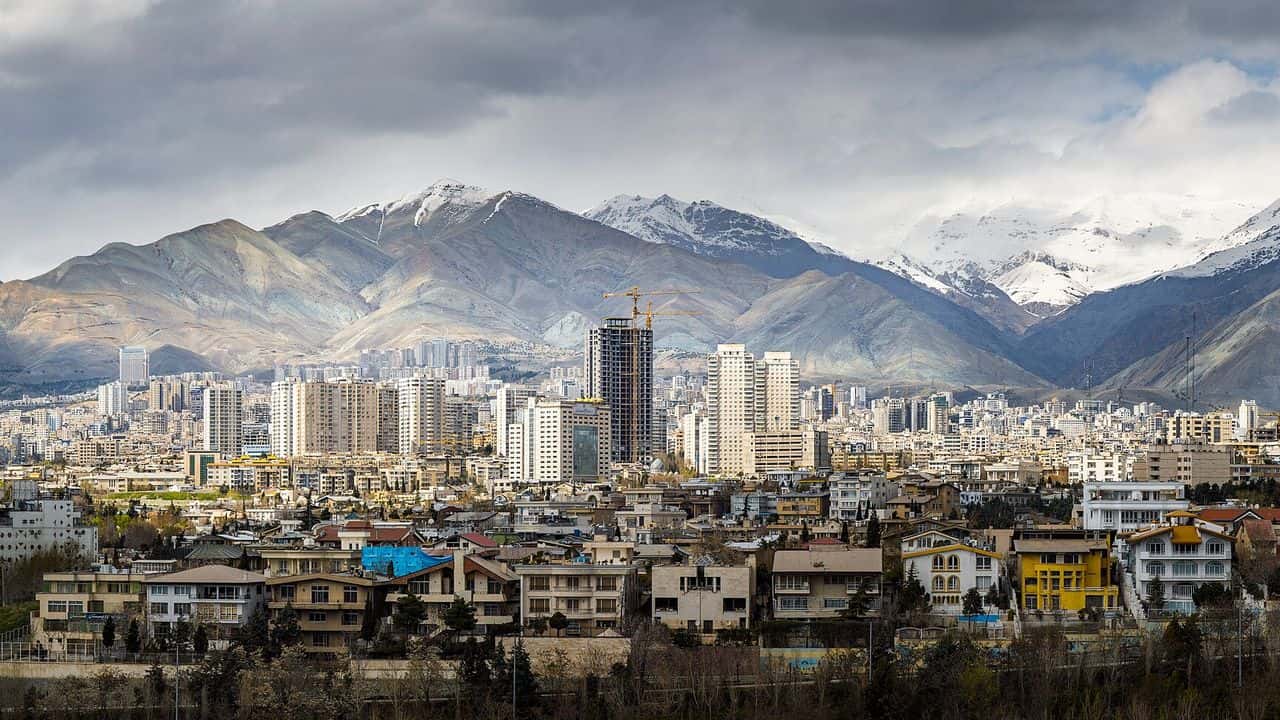 File photo · Tehran · Apr 2019 · Amir Pashaei · CC BY-SA 4.0 · Source & license
Earlier context and later coverage are dated relative to this report. Automatically linked reports may cover a broader event.
No later reports linked yet.
Follow this story to find new evidence in your Following desk.
Limited bull case for any named equity: a gasoline-price increase could improve Iranian state finances.
Limited bear case for any named equity: sanctions and higher domestic fuel prices could deepen economic stress, but no listed company exposure or market response is provided.
Kept as written · your side, if you take one, is graded privately against licensed closes after 10 trading days · nothing here is advice · How the Wire is made →