Iran's Ghalibaf Declares Persian Gulf Oil Flows For 'All Or None'
Iranian parliament speaker Mohammad Bagher Ghalibaf said Persian Gulf oil exports should be “all or none,” warning that no country would sell oil if Iran cannot and linking regional security to the withdrawal of US forces. The threat raises a disruption risk for Gulf energy flows, but the statement provides no operational timeline or confirmed change to exports.
Mohammad Bagher Ghalibaf, speaker of Iran’s parliament, made the comments on 28 August, according to the report. He said Persian Gulf countries should either all be allowed to export oil freely or none should, framing the position as a response to restrictions on Iran and to the wider regional security environment.
Ghalibaf described the principle as “all or none” and said, “In a region where we don’t sell oil, no one else will sell oil either.” He also argued that West Asian security depends on the withdrawal of US forces.
The direct mechanism is regional energy-flow risk. Iran is tying the safety of other Persian Gulf infrastructure and exports to its own security, so the statement potentially touches producers, shipping routes, terminals and downstream buyers across the Gulf. No individual oil company, producer contract or facility was identified in the report, and no new restriction on exports was announced.
The language is a political warning rather than a documented operational action.
The next evidence would be a concrete change in tanker traffic, official export restrictions, an incident involving Gulf infrastructure or a response from the US and regional governments. Market confirmation would come from sustained disruption in physical oil flows rather than the statement alone. The open issue is whether Ghalibaf’s remarks remain political signaling or become a policy or security action affecting regional exports.
The statement lifts geopolitical disruption risk across Persian Gulf oil flows, but with no named equity or confirmed operational action, the evidence supports a watchful energy-risk read rather than a single-name trade.
The immediate implication is a higher geopolitical risk premium for Persian Gulf energy flows, but without confirmed disruption, a clear timeline, or company-specific exposure, the situation remains largely rhetorical. The risk assessment becomes materially more significant if tanker movements, infrastructure incidents, or official export restrictions demonstrate that the warning has moved beyond rhetoric.
The threat remains political signaling; a lack of operational action or a de-escalatory response would remove the disruption premium.
CoverageSource: ZeroHedge · Published here SAT, AUG 29 · 9:20 AM ET · the only report in this recordHow this is decided →
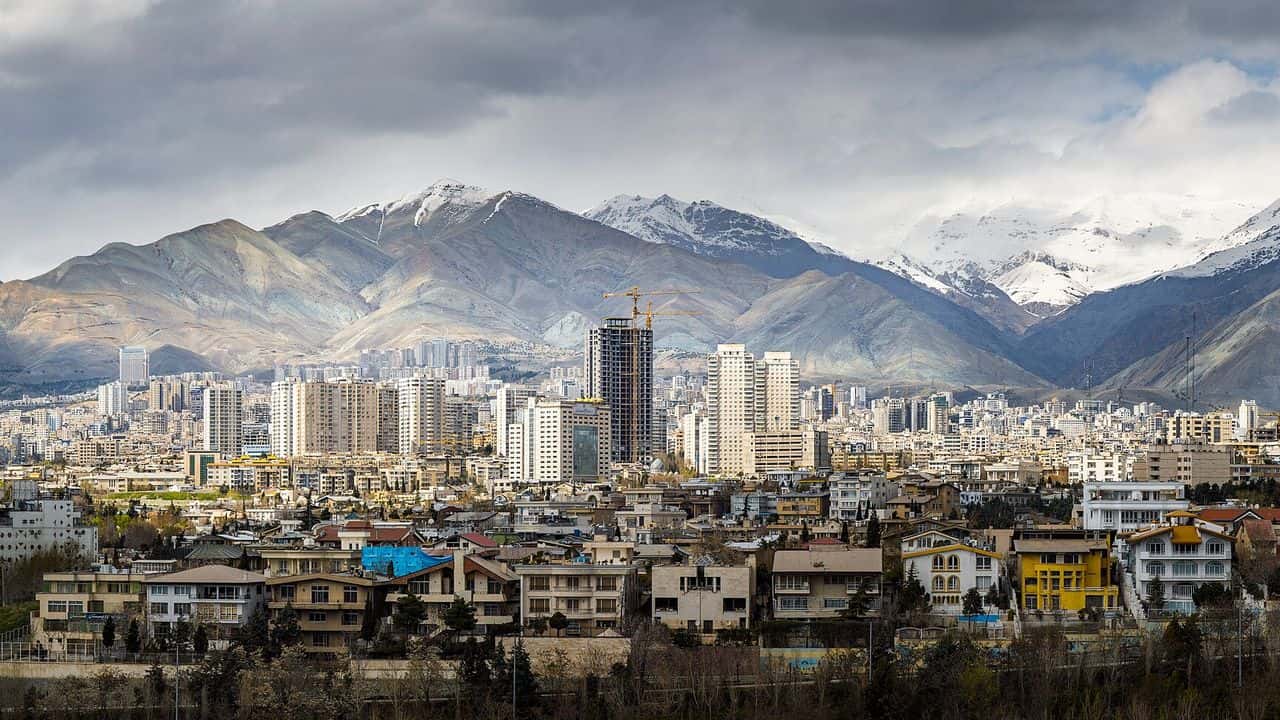 File photo · Tehran · Apr 2019 · Amir Pashaei · CC BY-SA 4.0 · Source & license
Earlier context and later coverage are dated relative to this report. Automatically linked reports may cover a broader event.
No later reports linked yet.
Follow this story to find new evidence in your Following desk.
A concrete restriction or security incident following Ghalibaf’s warning would make the stated “all or none” policy relevant to regional oil flows.
The statement lacks specific details about blocked exports, infrastructure attacks, or implementation timelines, limiting its immediate market impact.
Kept as written · your side, if you take one, is graded privately against licensed closes after 10 trading days · nothing here is advice · How the Wire is made →