Senate blocks crypto market-structure bill after 49-50 vote
The Senate failed to advance the Digital Asset Market Clarity Act after cloture drew 49 yes votes and 50 no votes, blocking debate on H.R. 3633. The setback leaves U.S. crypto market-structure legislation stalled at the first floor test, with regulatory uncertainty persisting for the sector.
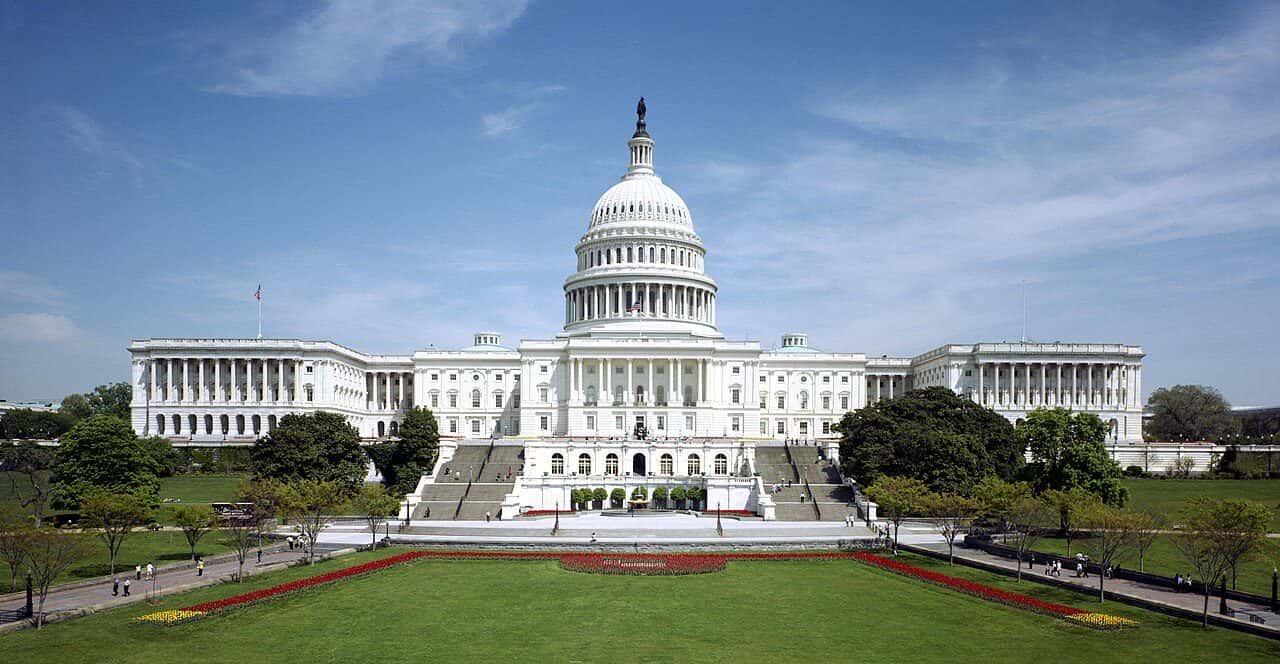 File photo · The US Capitol, west front, Washington · date unknown · Architect of the Capitol · Public domain · Source & license
The story
The Senate vote at about 2:15 p.m. ET on Tuesday was a procedural test, not a vote on final passage. Cloture on the motion to proceed to H.R. 3633 needed 60 votes but received 49 yes votes and 50 no votes, so debate on the Digital Asset Market Clarity Act could not begin.
The result is an early legislative setback rather than a final rejection of the bill. The measure had been positioned as comprehensive crypto market-structure legislation, and this was its first floor test in the Senate; the immediate change is that the chamber did not clear the threshold needed to take up the bill.
The direct exposure is across crypto businesses whose U.S. operating framework could depend on congressional rules for market structure, including exchanges, trading venues and digital-asset issuers. The vote does not itself change existing regulation, but it leaves the legislative route to clearer rules blocked at this stage.
The next concrete signal would be a new Senate effort to bring H.R. 3633 to the floor, or changes to the bill and its coalition that could address the 60-vote threshold. Until then, the unresolved issues are whether supporters can attract additional votes and whether the bill can return before the legislative window narrows.
Our read · Tue, Sep 15
The failed cloture vote keeps the crypto sector’s U.S. regulatory framework unresolved, with no single listed-company exposure established.
Why. The immediate market implication is regulatory delay rather than a change to any company’s current operating rules: the Senate did not reach final passage and did not begin debate. With no ticker-specific exposure or dated follow-up vote established, the evidence supports a sector-level uncertainty read rather than a directional single-name trade.
Both cases
What could change this view: A renewed Senate vote, bipartisan agreement or a revised bill could quickly reverse the legislative setback and reduce the uncertainty premium.
Who reported it · 10
Keep reading
Latest on the Wire
Trump threatens overseas AI data-centre ban for US firmsBitcoin drops below $59,000 as cash rush revives summer-low testGreer says US chip curbs will close China export-control loopholesBlackRock bitcoin ETF posts $541.1 million outflow as tech sell-off spreadsPoland says Russian missiles and drone crashed during Ukraine assaultContinue on the Wire →Latest on the Wire
US MATCH Act puts ASML at center of China chip export disputeBeijing plans to bar young red-chip firms from overseas listingsGerman producer prices jump 8.1% in October as industrial inflation acceleratesChina seeks protections to restart US private-equity investmentsContinue on the Wire →Top this week
Nvidia allies lobby board to bring back Jensen Huang as CEONvidia chair rules out Huang return as CEO after 75% sales outlookAnthropic Said to Guide IPO Pricing Above Market RangeNvidia interim CEO Colette Kress faces first earnings test after HuangAnthropic IPO could become the largest in US history on ThursdayAbout this report
Reported by ZeroHedge as Senate Blocks Clarity Act As Cloture Falls Short Of 60 Votes
, . Who answers for this
10 reports from 7 publishers in this record. Closes are licensed end-of-day data from Databento; the move after a story is its first close against the close before it. How this is decided →
Kept as written · your side, if you take one, is graded privately against licensed closes after 10 trading days · nothing here is advice · How the Wire is made →


