Supreme Court asked to allow mail ballot curbs for midterms#shorts #supremecourt #trump #voting
The Trump administration asked the Supreme Court to let the Postal Service enforce new mail-ballot rules before the November midterm elections, despite warnings from some states that the changes could disrupt ballot distribution. The immediate market read is limited because the request has no named corporate beneficiary, while the ruling could still affect election administration and political-risk pricing.
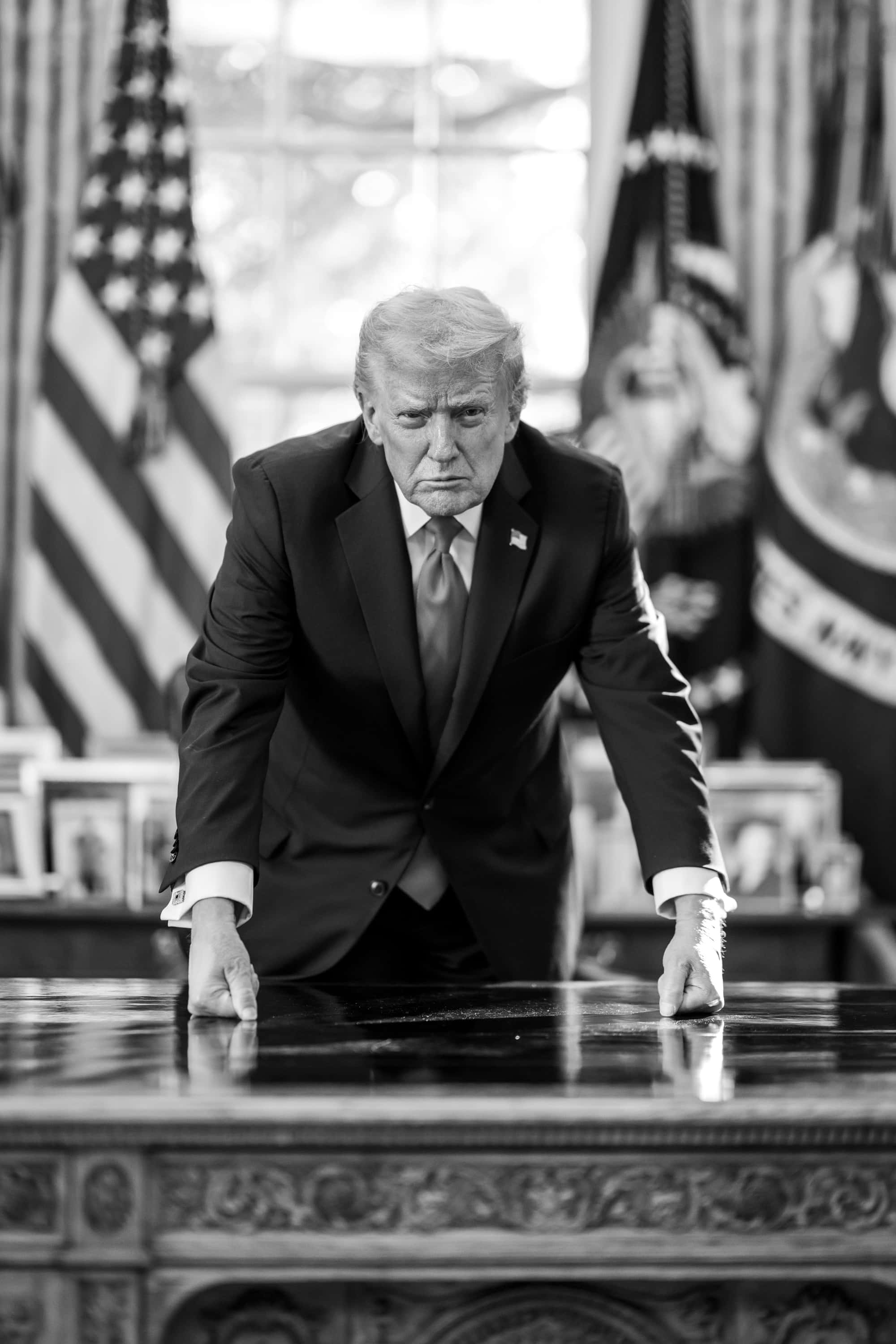 File photo · Jan 7, 2026 · Daniel Torok · Public domain · Source & license
The story
The administration's request puts the Supreme Court at the center of a dispute over how the Postal Service handles mail-in ballots ahead of the November midterm elections. The administration wants the court to allow new Postal Service rules to be enforced before states send ballots to voters in the coming days.
The timing is the central operational issue. States are already preparing to distribute ballots, and some have warned that implementing the rules now could create disruption. The Postal Service is the operational link in the dispute because it would enforce the contested mail-ballot rules. State election officials are the other directly affected group: their ballot-preparation and distribution processes could be altered if the court permits enforcement. The Supreme Court would determine whether the rules can take effect.
The state-level warnings provide the principal opposing view. Those states say the changes could "wreak havoc" as ballots are prepared for delivery, while the administration is asking for permission to proceed. The precise legal arguments, the court's likelihood of granting the request, and the practical effect on ballot processing remain unclear.
The next decisive development is the Supreme Court's response to the administration's request. Additional clarity would come from the text of the rules, the states' filings, and any court order setting an effective date or limiting enforcement. The November midterm elections are the political event the dispute is intended to affect.
For markets, the story is primarily a regulatory and political-risk item rather than a grounded single-stock setup. The open questions are whether the court acts before ballots are sent, how states implement any ruling, and whether the rules change the volume or timing of mail-ballot processing.
Our read · Thu, Sep 3
No listed company is directly implicated; the Supreme Court request raises election-administration and political-risk uncertainty without a grounded equity trade.
Why. No listed company, revenue line, contract, or other equity mechanism has been identified that would support a single-name trade. The relevant catalyst is the Supreme Court's response, but no decision date has been provided and the practical market impact remains dependent on the rules' contents and state implementation.
Both cases
What could change this view: A Supreme Court order, rule text, or state filing showing limited operational impact would remove much of the uncertainty; the absence of a named corporate exposure also limits the trade expression.
Who reported it · 1
Keep reading
Latest on the Wire
AMD shares fall 11% after Hunterbrook warns over China linksWalmart raises full-year outlook as e-commerce wins shoppersAnthropic IPO could become the largest in US history on ThursdayContinuing claims rise as Goldman sees Fed hikes in December and MarchPIF Tower in Riyadh reportedly damaged in second Houthi attackContinue on the Wire →Latest on the Wire
PIF Tower in Riyadh reportedly damaged in second Houthi attackTrump Media buys back $100 million of notes ahead of Nov. 30 cash demandBiohaven reports confirmed BHV-1530 responses in two FGFR3 cancersTrump, Xi and Putin pledge more refined fuel after first trilateral summitContinue on the Wire →Top this week
Nvidia allies lobby board to bring back Jensen Huang as CEONvidia chair rules out Huang return as CEO after 75% sales outlookAnthropic Said to Guide IPO Pricing Above Market RangeNvidia interim CEO Colette Kress faces first earnings test after HuangNvidia CEO Jensen Huang reportedly resigns as US-China tensions riseAbout this report
Reported by Bloomberg Television, . Who answers for this
The only report in this record. Closes are licensed end-of-day data from Databento; the move after a story is its first close against the close before it. How this is decided →
Kept as written · your side, if you take one, is graded privately against licensed closes after 10 trading days · nothing here is advice · How the Wire is made →
