Trump administration to pay German firm $1.2bn to halt US wind projects
The Trump administration will pay German energy company RWE $1.2bn to halt US wind projects, extending a series of cancellations targeting a power source long criticized by Trump. The deal raises the value of policy protection for conventional generation while increasing regulatory and execution risk for wind developers and their suppliers.
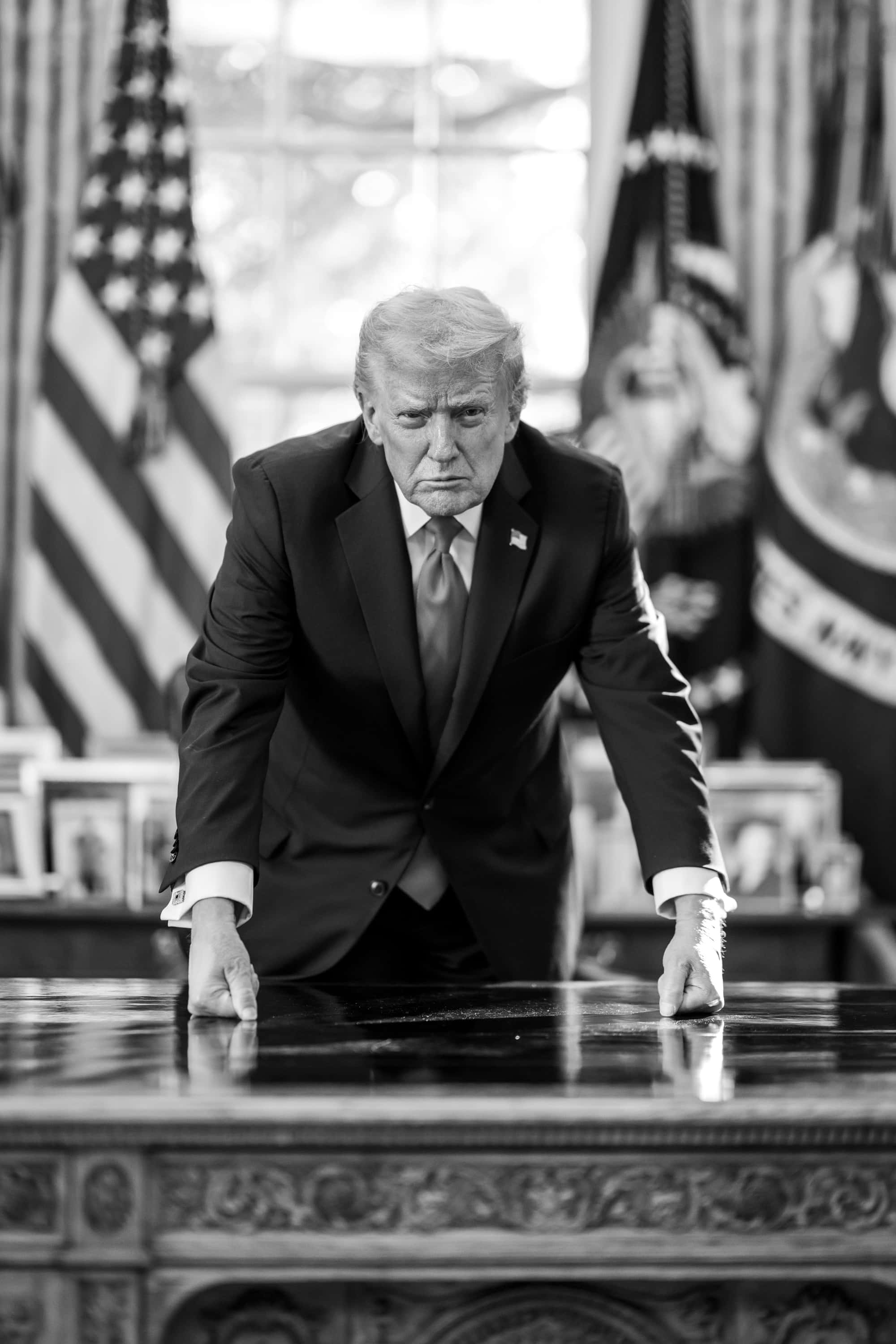 File photo · Jan 7, 2026 · Daniel Torok · Public domain · Source & license
The story
The Trump administration has agreed to pay German firm RWE $1.2bn to halt US wind projects, according to BBC Business. The payout is the latest in a series of deals cancelling wind-energy developments. The administration has repeatedly criticized wind power, making the agreement part of a broader policy shift rather than an isolated project decision.
The immediate focus is RWE, which receives the payment while abandoning the affected projects. The deal also touches wind developers, equipment suppliers, project financiers and power markets that had assumed greater continuity for US renewable build-out.
For wind, the second-order issue is whether cancellation payments and permitting decisions become a recurring feature of the US market. That could raise the cost of capital and delay new projects, even where underlying power demand remains supportive.
The opposing tension is that RWE may crystallize value through the payout, while the cancellation signals weaker long-term growth visibility for its US wind pipeline. Investors will be watching for additional project settlements, changes in federal permitting policy and whether other developers disclose comparable exposures.
Our read · Fri, Aug 7
RWE’s $1.2bn settlement puts the value of project compensation against the question of how much US wind-growth visibility is being lost.
Why. The $1.2bn payment is a concrete near-term offset for RWE, but the cancellation of US wind projects removes development exposure and highlights policy risk. With no market move, valuation, consensus or insider data supplied, the evidence supports a two-sided Angle rather than a directional trade.
Both cases
What could change this view: The setup changes if RWE retains the projects, receives materially different terms, or the administration’s broader wind-policy stance proves temporary.
Who reported it · 1
Keep reading
Latest on the Wire
Anthropic debut fails to halt technology-led slide in US stocksUS MATCH Act puts ASML at center of China chip export disputeBeijing plans to bar young red-chip firms from overseas listingsGerman producer prices jump 8.1% in October as industrial inflation acceleratesChina seeks protections to restart US private-equity investmentsContinue on the Wire →Latest on the Wire
Walmart raises full-year outlook as e-commerce wins shoppersAnthropic IPO could become the largest in US history on ThursdayContinuing claims rise as Goldman sees Fed hikes in December and MarchPIF Tower in Riyadh reportedly damaged in second Houthi attackContinue on the Wire →Top this week
Nvidia allies lobby board to bring back Jensen Huang as CEONvidia chair rules out Huang return as CEO after 75% sales outlookAnthropic Said to Guide IPO Pricing Above Market RangeNvidia interim CEO Colette Kress faces first earnings test after HuangBitcoin nears $64,000 as Anthropic IPO lifts Nasdaq futures nearly 2%About this report
Reported by BBC Business, . Who answers for this
The only report in this record. Closes are licensed end-of-day data from Databento; the move after a story is its first close against the close before it. How this is decided →
Kept as written · your side, if you take one, is graded privately against licensed closes after 10 trading days · nothing here is advice · How the Wire is made →