Trump blames Ukraine refinery strikes for record-high diesel prices
President Donald Trump called on Ukraine to stop striking Russian diesel refineries, saying the attacks—not his war in Iran—are responsible for fuel prices reaching record highs. The claim puts Ukraine’s refinery campaign at the center of the immediate fuel-market narrative while leaving the durability of any price relief uncertain.
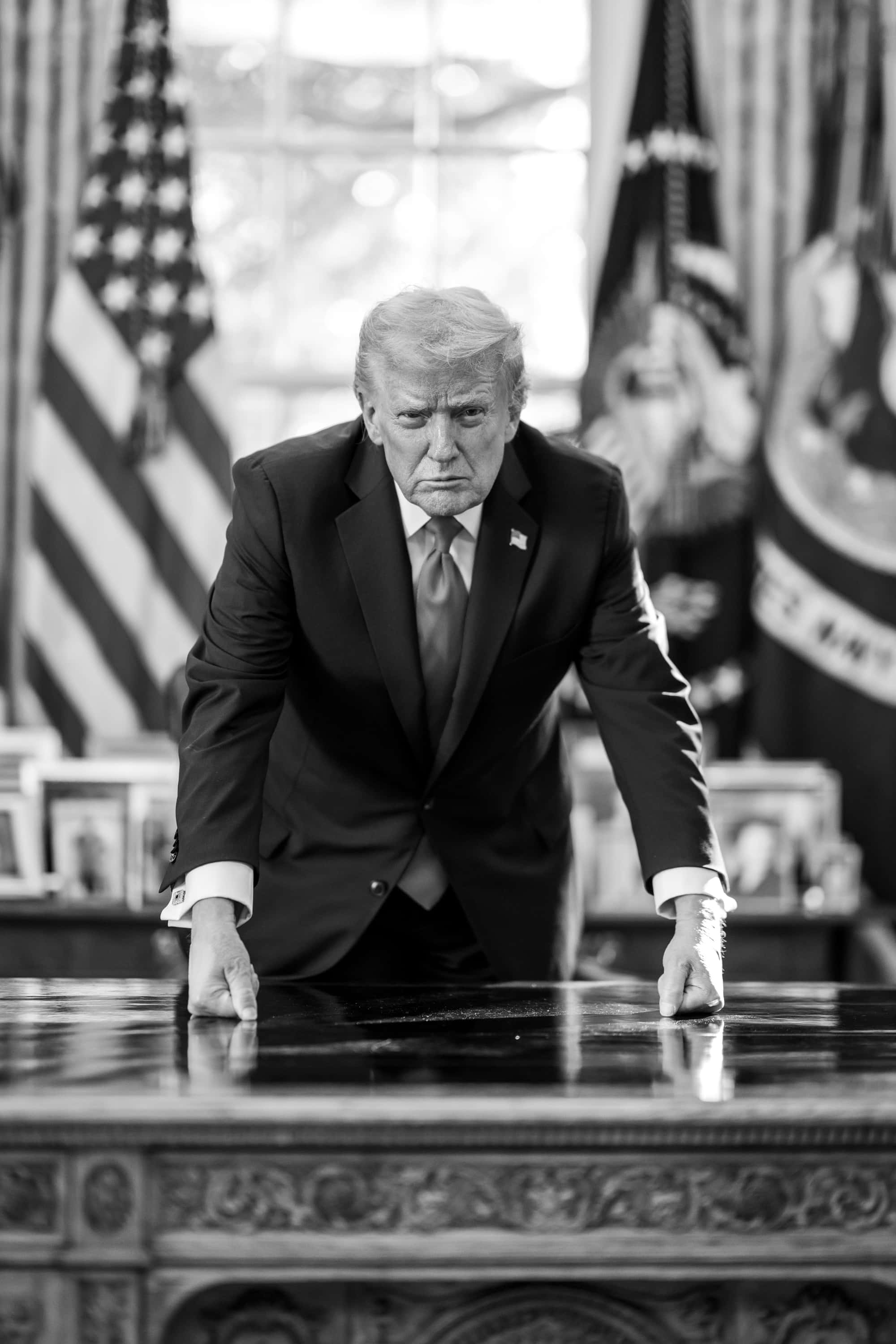 File photo · Jan 7, 2026 · Daniel Torok · Public domain · Source & license
The story
Trump urged Ukraine to halt attacks on Russian diesel refineries, attributing fuel prices reaching record highs to the strikes rather than to the US war in Iran, framing the refinery campaign as the immediate source of pressure in diesel markets.
The direct mechanism is through Russian refining and the supply of diesel to global markets: further disruption could constrain available fuel, while a pause could ease supply concerns if lost output or exports were restored. The story also links the issue to the broader US-Iran war, though competing explanations for the price move remain unresolved.
Key signals to watch are a Ukrainian response, any further strikes on Russian refining infrastructure, and official or industry data showing changes in Russian refinery runs and diesel exports.
Our read · Sun, Sep 13
The refinery dispute leaves diesel exposure caught between possible supply relief from a pause and renewed disruption if strikes continue.
Why. The immediate implication is a wider range of possible diesel outcomes rather than a clean directional trade: a halt in strikes could reduce disruption fears, while continued attacks would preserve the supply-risk premium. The Financial Times supplies no quantified production loss or dated diplomatic milestone, so the decisive evidence is operational data on Russian refinery runs and exports.
Both cases
What could change this view: A confirmed Ukrainian pause could quickly unwind the supply-risk premium; additional refinery damage or a broader escalation would invalidate the relief case.
Who reported it · 3
Keep reading
Latest on the Wire
Walmart raises full-year outlook as e-commerce wins shoppersAnthropic IPO could become the largest in US history on ThursdayContinuing claims rise as Goldman sees Fed hikes in December and MarchPIF Tower in Riyadh reportedly damaged in second Houthi attackTrump Media buys back $100 million of notes ahead of Nov. 30 cash demandContinue on the Wire →Latest on the Wire
Biohaven reports confirmed BHV-1530 responses in two FGFR3 cancersSky reserve linked to $518 million in illicit activity, investigation findsBitcoin nears $64,000 as Anthropic IPO lifts Nasdaq futures nearly 2%UniCredit reaches agreement with Berlin over Commerzbank takeoverContinue on the Wire →Top this week
Nvidia allies lobby board to bring back Jensen Huang as CEONvidia chair rules out Huang return as CEO after 75% sales outlookNvidia interim CEO Colette Kress faces first earnings test after HuangAnthropic Said to Guide IPO Pricing Above Market RangeNvidia CEO Jensen Huang reportedly resigns as US-China tensions riseAbout this report
Reported by Financial Times as Trump calls on Ukraine to stop striking Russian diesel refineries
, . Who answers for this
3 reports from 2 publishers in this record. Closes are licensed end-of-day data from Databento; the move after a story is its first close against the close before it. How this is decided →
Kept as written · your side, if you take one, is graded privately against licensed closes after 10 trading days · nothing here is advice · How the Wire is made →