Two oil tankers attacked in Strait of Hormuz; crude prices rise more than 2 percent
Two more oil tankers were attacked near Oman, extending a run of vessel strikes in the Strait of Hormuz and sending oil prices more than 2 percent higher. The immediate setup is a fresh geopolitical risk premium for crude and a potential cost and disruption shock for companies dependent on Gulf shipping.
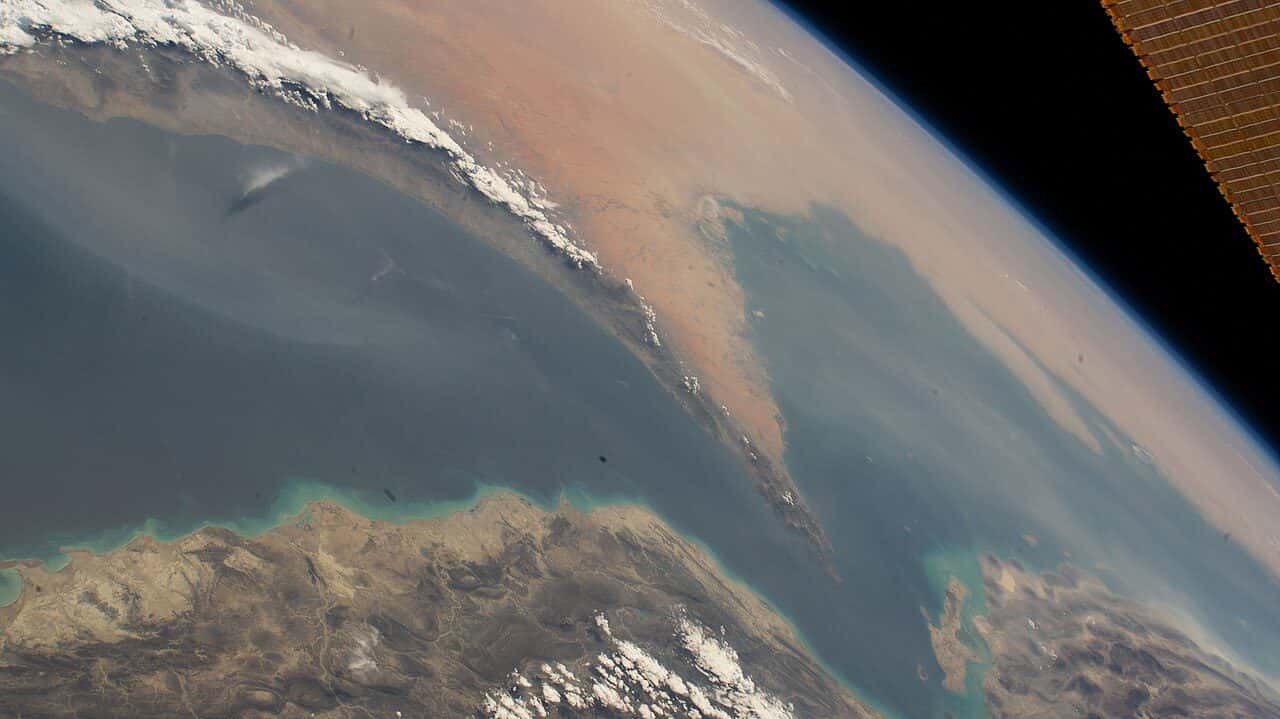 File photo · The Strait of Hormuz, from the International Space Station · Aug 2022 · NASA · Public domain · Source & license
The story
Two ships were attacked near Oman on Monday in the latest incidents involving vessels in the Persian Gulf. The attacks add to an expanding security problem around the Strait of Hormuz, one of the region's most important maritime passages.
The market reaction was immediate: oil prices rose more than 2 percent after the attacks. That move follows earlier vessel strikes in the Gulf and shows that traders are treating the incidents as a potential threat to the continuity of regional shipping, rather than as isolated maritime accidents. The key change is the recurrence of attacks, which raises the chance that insurers, shipowners and crews reassess the route.
The direct market connection is clearest for crude producers and refiners. A prolonged disruption could support benchmark oil prices by raising fears over supply flows, while refiners and other importers could face higher feedstock, freight or insurance costs. Tanker operators are also exposed through war-risk premiums, rerouting decisions and possible delays.
Identifying the attackers, the extent of damage to either tanker, and whether the vessels were carrying crude, refined products or other cargo remain unclear. There is no confirmed damage figure and no indication that the Strait has been closed. Oil's rise of more than 2 percent reflects the initial risk response, but it does not by itself establish a sustained supply outage.
The next signals will come from any official attribution, further attacks, shipping advisories and evidence that tankers are being delayed or diverted. The market will also need confirmation of whether crude or product flows through the Strait are materially affected. A single follow-on incident could deepen the risk premium, while uninterrupted traffic and no escalation would test whether the initial oil move fades.
For energy companies, the next company earnings reports and operational updates will show whether higher crude prices are translating into realized revenue or instead into higher transportation and input costs. For shipping names, disclosures on route changes, insurance and utilization would be more informative than the headline oil move alone. The central open question is whether the attacks remain a contained security event or become a sustained disruption to Gulf energy trade.
Our read · Wed, Sep 2
The tanker attacks lift the crude-risk premium but leave company-level exposure unresolved, keeping the read mixed across oil producers, refiners and shippers.
Why. The immediate consequence is a higher geopolitical premium in crude, but the evidence does not yet show a closure of the Strait, a confirmed supply loss or a named corporate beneficiary. Without ticker-specific exposure or a dated event that would settle the read, the setup remains a macro risk signal rather than a single-name trade.
Both cases
What could change this view: The read fails if shipping continues normally, no additional attacks occur and oil gives back the more than 2 percent reaction.
Who reported it · 1
Keep reading
Latest on the Wire
BlackRock bitcoin ETF posts $541.1 million outflow as tech sell-off spreadsPoland says Russian missiles and drone crashed during Ukraine assaultAnthropic debut fails to halt technology-led slide in US stocksUS MATCH Act puts ASML at center of China chip export disputeBeijing plans to bar young red-chip firms from overseas listingsContinue on the Wire →Latest on the Wire
China seeks protections to restart US private-equity investmentsAMD shares fall 11% after Hunterbrook warns over China linksWalmart raises full-year outlook as e-commerce wins shoppersAnthropic IPO could become the largest in US history on ThursdayContinue on the Wire →Top this week
Nvidia allies lobby board to bring back Jensen Huang as CEONvidia chair rules out Huang return as CEO after 75% sales outlookAnthropic Said to Guide IPO Pricing Above Market RangeNvidia interim CEO Colette Kress faces first earnings test after HuangBitcoin nears $64,000 as Anthropic IPO lifts Nasdaq futures nearly 2%About this report
Reported by NYT Business as Two More Oil Tankers Are Attacked in the Strait of Hormuz
, . Who answers for this
The only report in this record. Closes are licensed end-of-day data from Databento; the move after a story is its first close against the close before it. How this is decided →
Kept as written · your side, if you take one, is graded privately against licensed closes after 10 trading days · nothing here is advice · How the Wire is made →