Fed proposes GENIUS Act rules governing stablecoin yield programs
The Federal Reserve proposed rules to implement the GENIUS Act, including provisions governing stablecoin yield programs. The framework begins defining how the new law will operate for issuers and financial institutions, with the treatment of yield-bearing products a key implementation point.
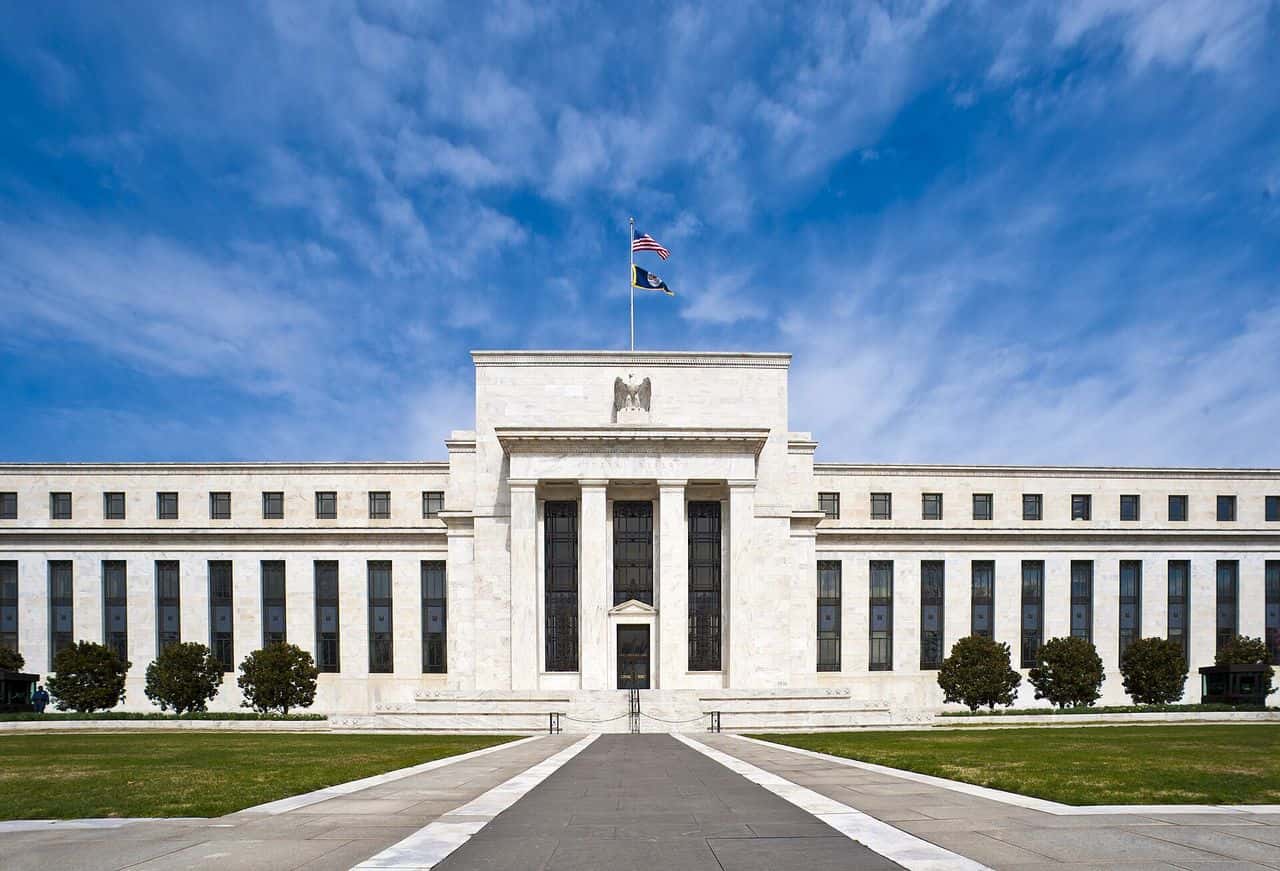 File photo · The Federal Reserve’s Eccles Building, Washington · Mar 2011 · Federal Reserve · Public domain · Source & license
The story
The Federal Reserve proposed regulations for implementing last year’s GENIUS Act, according to CoinDesk on Sept. 24. The proposal includes rules covering stablecoin yield programs, placing the Fed at the center of the law’s transition from legislation to operating requirements.
The move follows Congress’s passage of the GENIUS Act and shifts attention from statutory authorization to the details of supervision. Those details matter because rules governing reserves, distribution and yield can determine how stablecoins are structured and which firms can offer related products.
The immediate parties are the Federal Reserve, stablecoin issuers and financial institutions that may distribute or support these products. Yield-program rules could affect the economics of stablecoins by setting boundaries around incentives paid to holders and the relationships between issuers, banks and other intermediaries.
The proposal is not the final regulatory framework. Its practical effect will depend on the text of the rules, the comment process and any revisions before implementation; the treatment of specific products and business models remains to be established.
Next steps include publication and review of the proposed regulations, public comments and the Fed’s eventual final rules. The key points to watch are the permitted structure of stablecoin yield programs, the compliance obligations imposed on issuers and the timing for the framework to take effect.
Our read · Thu, Sep 24
The Federal Reserve proposed GENIUS Act rules covering stablecoin yield programs.
Why. The immediate consequence is a new rulemaking phase for stablecoin issuers and financial institutions, but the proposal’s commercial effect depends on the final treatment of yield programs. With no single listed company identified and no issuer-specific financial evidence, the read remains a regulatory setup rather than a company trade.
Both cases
What could change this view: The proposal could change materially during public comment and finalization, leaving the eventual treatment of yield programs and implementation timing uncertain.
Who reported it · 1
Keep reading
Latest on the Wire
Trump threatens overseas AI data-centre ban for US firmsBitcoin drops below $59,000 as cash rush revives summer-low testGreer says US chip curbs will close China export-control loopholesBlackRock bitcoin ETF posts $541.1 million outflow as tech sell-off spreadsPoland says Russian missiles and drone crashed during Ukraine assaultContinue on the Wire →Latest on the Wire
Anthropic debut fails to halt technology-led slide in US stocksUS MATCH Act puts ASML at center of China chip export disputeGerman producer prices jump 8.1% in October as industrial inflation acceleratesChina seeks protections to restart US private-equity investmentsContinue on the Wire →Top this week
Nvidia allies lobby board to bring back Jensen Huang as CEONvidia chair rules out Huang return as CEO after 75% sales outlookAnthropic Said to Guide IPO Pricing Above Market RangeNvidia interim CEO Colette Kress faces first earnings test after HuangAnthropic IPO could become the largest in US history on ThursdayAbout this report
Reported by CoinDesk as U.S. Federal Reserve moves on proposals to implement GENIUS Act for stablecoins
, . Who answers for this
The only report in this record. Closes are licensed end-of-day data from Databento; the move after a story is its first close against the close before it. How this is decided →
Kept as written · your side, if you take one, is graded privately against licensed closes after 10 trading days · nothing here is advice · How the Wire is made →