Why the Fed Might Raise Interest Rates When Borrowing Costs Are Surging
The New York Times says elevated interest rates have raised mortgage and car-loan costs without slowing consumer spending, leaving open the possibility of further Federal Reserve tightening. That setup keeps pressure on rate-sensitive borrowing and raises the risk that resilient demand prolongs restrictive policy.
The New York Times reported that higher interest rates have increased the cost of mortgages and car loans while failing to dampen consumer spending. The report’s framing is that this resilience could complicate the Federal Reserve’s policy path, including the possibility of another rate increase.
Its central change is in the relationship between borrowing costs and demand: the usual cooling effect from higher rates has not yet appeared clearly in consumer spending.
The direct transmission runs through households rather than a single company. More expensive mortgages affect housing affordability and refinancing, while higher car-loan costs raise the monthly burden of vehicle purchases. If spending remains resilient, policymakers may face less immediate pressure to ease financial conditions.
The report leaves important details unresolved.
The next decisive evidence would be the Fed’s next policy communication and the incoming inflation, employment and consumer-spending data. Those releases will determine whether the resilience described by the Times is persistent enough to keep rate increases in the discussion or instead gives way to the slowdown higher borrowing costs are intended to produce.
The NYT report keeps the macro risk two-sided: resilient spending supports higher-for-longer rates, while mounting mortgage and auto-loan costs threaten a delayed consumer slowdown.
The setup is two-sided rather than a clean rates call: consumer resilience can keep policy restrictive, but the higher cost of mortgages and car loans may still transmit into weaker demand with a lag.
A fresh slowdown in consumer spending or weaker inflation could quickly reduce the case for another hike, while stronger demand could extend restrictive policy.
CoverageSource: NYT Business · Published here WED, SEP 16 · 5:03 AM ET · the only report in this recordHow this is decided →
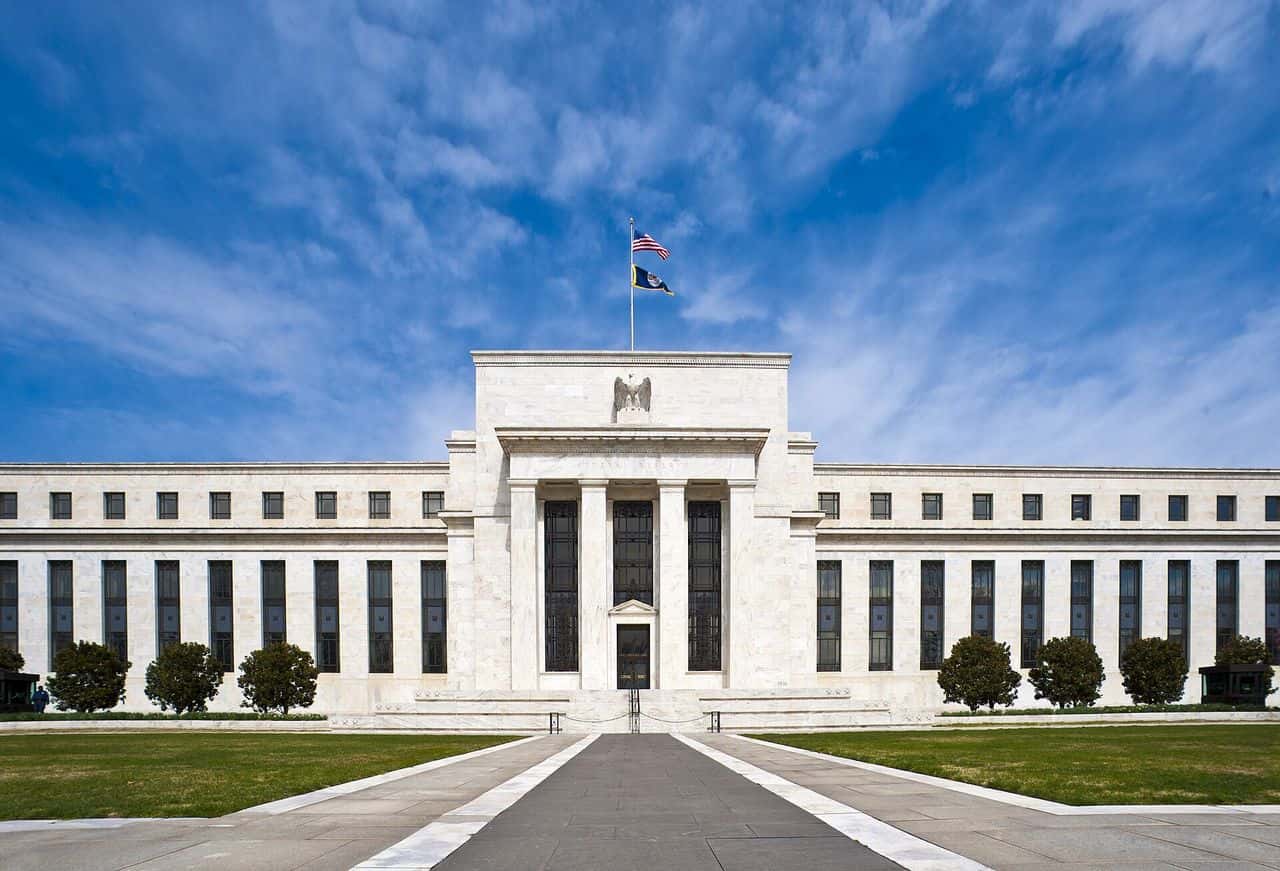 File photo · The Federal Reserve’s Eccles Building, Washington · Mar 2011 · Federal Reserve · Public domain · Source & license
Earlier context and later coverage are dated relative to this report. Automatically linked reports may cover a broader event.
No later reports linked yet.
Follow this story to find new evidence in your Following desk.
Resilient consumer spending despite higher mortgage and car-loan costs supports the case for interest rates to remain elevated or rise further.
The higher borrowing costs already visible in mortgages and car loans could eventually weaken consumption, making the reported resilience temporary.
Kept as written · your side, if you take one, is graded privately against licensed closes after 10 trading days · nothing here is advice · How the Wire is made →