Fed proposes stablecoin reserve and bank application rules under GENIUS Act
The Federal Reserve is seeking comment on two proposals to regulate payment stablecoin issuers supervised by the Board under the GENIUS Act. The framework would set reserve, capital, risk-management and application requirements, creating a defined path for eligible banks while imposing new compliance obligations.
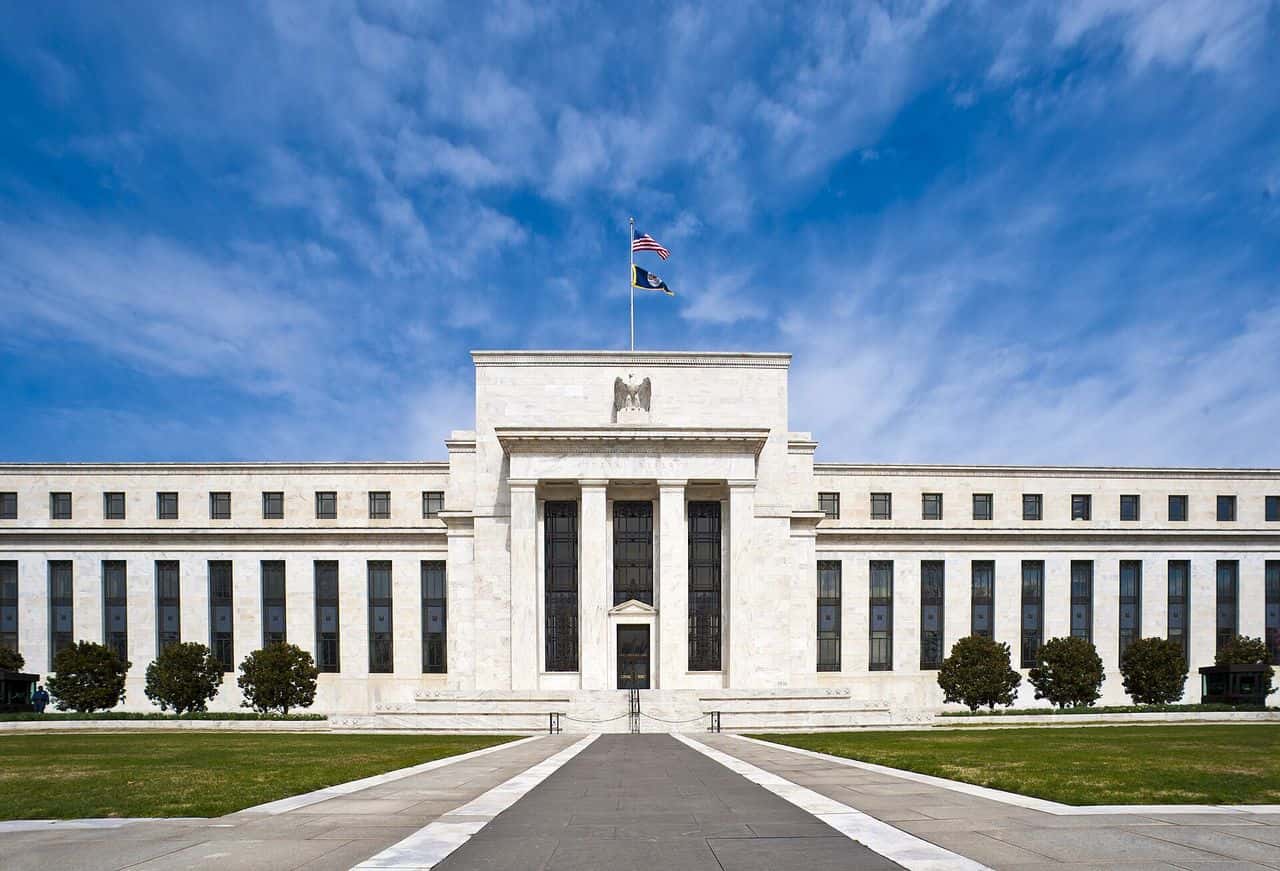 File photo · The Federal Reserve’s Eccles Building, Washington · Mar 2011 · Federal Reserve · Public domain · Source & license
The story
The Federal Reserve said September 24 that it had opened public comment on two proposals implementing its responsibilities under the GENIUS Act for Board-supervised payment stablecoin issuers.
One proposal would require issuers to fully back stablecoins with permitted reserve assets, including short-term Treasury bills and certain other high-quality liquid assets. It would also establish standardized capital requirements for credit and operational risks, set risk-management standards, regulate firms that safekeep reserve assets, and clarify which stablecoin activities are permissible for Board-supervised banks.
A separate proposal would create a tailored application process for Board-supervised banks seeking approval to issue payment stablecoins through a subsidiary. Applicants would submit a business plan, financial information and other documents; the proposal also covers appeals, hearings and final application decisions.
The comment period will close 60 days after publication in the Federal Register. The eventual rules will determine how the GENIUS Act is applied to reserve management, bank participation and operational controls, but the proposals remain subject to public input.
Our read · Thu, Sep 24
The Fed proposed reserve, capital and application rules for Board-supervised payment stablecoin issuers under the GENIUS Act.
Why. The proposals create a formal route for Board-supervised banks to seek stablecoin-issuer approval, but reserve, capital and risk controls could raise the operating requirements for entrants. No single listed company is identified, so the immediate read is sector-wide and depends on the final rules after the comment period.
Both cases
What could change this view: The final framework could materially change the proposed reserve, capital, safekeeping or application requirements before adoption.
Who reported it · 3
Keep reading
Latest on the Wire
Trump threatens overseas AI data-centre ban for US firmsBitcoin drops below $59,000 as cash rush revives summer-low testGreer says US chip curbs will close China export-control loopholesBlackRock bitcoin ETF posts $541.1 million outflow as tech sell-off spreadsPoland says Russian missiles and drone crashed during Ukraine assaultContinue on the Wire →Latest on the Wire
Anthropic debut fails to halt technology-led slide in US stocksUS MATCH Act puts ASML at center of China chip export disputeGerman producer prices jump 8.1% in October as industrial inflation acceleratesChina seeks protections to restart US private-equity investmentsContinue on the Wire →Top this week
Nvidia allies lobby board to bring back Jensen Huang as CEONvidia chair rules out Huang return as CEO after 75% sales outlookAnthropic Said to Guide IPO Pricing Above Market RangeNvidia interim CEO Colette Kress faces first earnings test after HuangAnthropic IPO could become the largest in US history on ThursdayAbout this report
Reported by Federal Reserve as Federal Reserve Board requests public comment on two proposals related to establishing a regulatory framework for Board-supervised payment stablecoin issuers under the GENIUS Act
, . Who answers for this
3 reports from 3 publishers in this record. Closes are licensed end-of-day data from Databento; the move after a story is its first close against the close before it. How this is decided →
Kept as written · your side, if you take one, is graded privately against licensed closes after 10 trading days · nothing here is advice · How the Wire is made →