Nvidia closes in on Hugging Face acquisition
Nvidia has reportedly agreed to acquire Hugging Face for $12.9 billion, adding the open-source AI hub to its chip and software ecosystem. The deal could strengthen Nvidia’s control of the AI stack while reviving its ambitions in cloud services, but its value depends on execution and regulatory scrutiny.
Nvidia is closing in on acquiring Hugging Face, a widely used repository and collaboration platform for open-source AI models, for $12.9 billion. Nvidia's objective would extend beyond adding a software asset: ownership of Hugging Face could give it a larger role in how developers discover, download, train, and deploy AI models.
Nvidia already sits at the center of AI computing through its graphics processors and networking products. For the fiscal year ending 2026-01-25, the company reported $215.9B in revenue, up 65.5% YoY, with a 71.1% gross margin and a 55.6% net margin. The reported acquisition would add a new strategic layer to that growth story, shifting part of the focus from selling the infrastructure used by AI systems to owning a platform that helps developers use them.
Hugging Face connects to Nvidia through the software and developer layers surrounding AI hardware. Its model hub and tools can influence which models developers run and which computing environments they choose; Nvidia could use that position to make its chips, libraries, and cloud offerings more visible within the workflow. The company's cloud ambitions are also relevant: the acquisition would give Nvidia a route back toward hosting or delivering AI services rather than relying solely on customers and cloud providers to monetize its hardware.
Key unresolved questions include whether the agreement is definitive, how regulators will review the transaction, and how Hugging Face's independence and open-source governance would be handled after an acquisition. The strategic rationale is clearer than the near-term financial impact, particularly without quantification of Hugging Face's revenue, profitability, and user growth.
Investors will need clarity on whether the deal is intended primarily to accelerate software adoption, build cloud capacity, or defend Nvidia's position against competing AI platforms. Nvidia's next earnings report will provide the first scheduled opportunity to hear how management frames the purchase alongside its existing $215.9B revenue base and 55.6% net margin.
The Hugging Face deal expands NVDA’s software and cloud reach, but the $12.9 billion price puts execution and regulatory risk alongside an already rapid $215.9B revenue engine.
The strategic upside is meaningful because Hugging Face could connect Nvidia’s chips to a broader developer and deployment workflow, while the reported $12.9 billion price creates a material execution burden that the available data cannot yet quantify. Nvidia’s $215.9B revenue and 55.6% net margin show the company can absorb a large strategic investment, but the absence of transaction terms, Hugging Face financials, and regulatory detail keeps the evidence balanced.
The read breaks if Nvidia discloses unfavorable deal terms, regulators challenge the acquisition, or Hugging Face adds little monetizable growth to Nvidia’s existing hardware business.
CoverageSource: TechCrunch · Published here THU, AUG 27 · 2:32 AM ET · the only report in this recordHow this is decided →
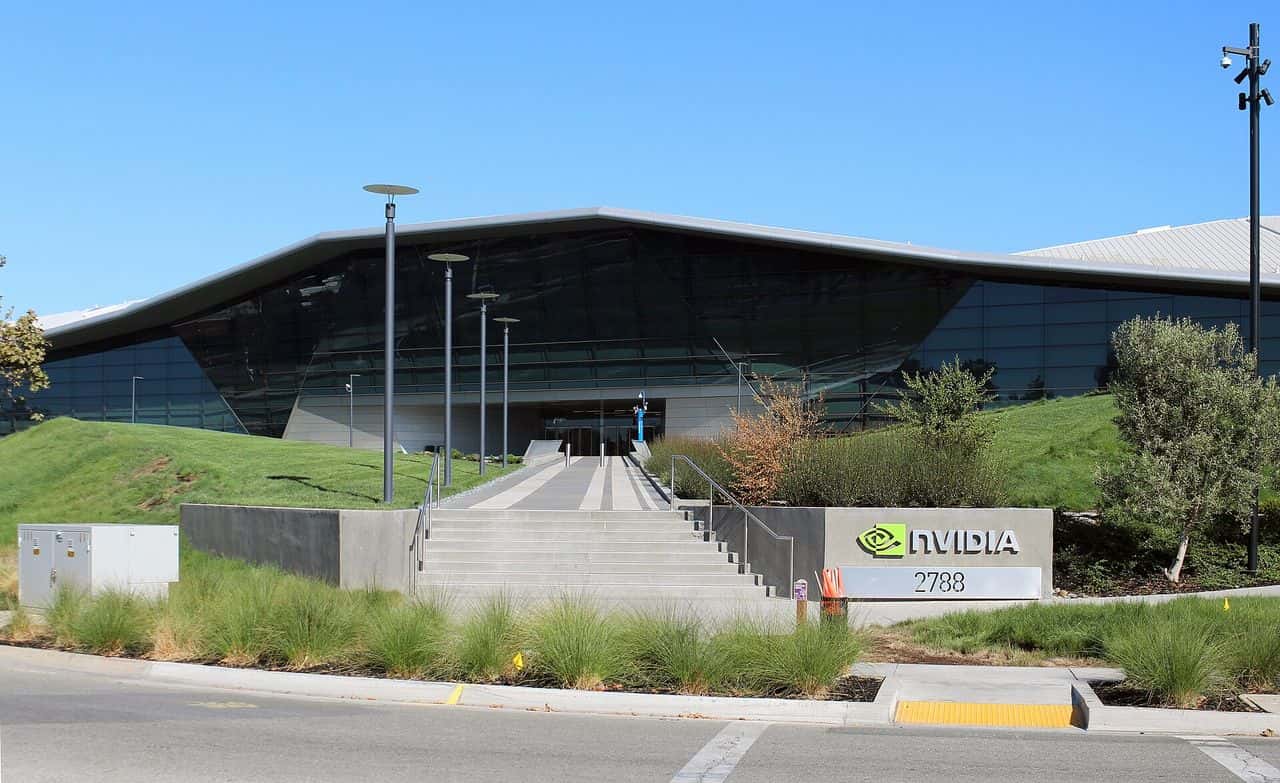 File photo · NVIDIA’s headquarters, Santa Clara · Aug 2018 · Coolcaesar · CC BY-SA 4.0 · Source & license
Earlier context and later coverage are dated relative to this report. Automatically linked reports may cover a broader event.
No later reports linked yet.
Follow this story to find new evidence in your Following desk.
Price context does not establish that the story caused the move.
Hugging Face could give Nvidia control of a valuable open-source developer funnel and support a cloud push alongside its $215.9B revenue platform.
The reported $12.9 billion purchase has no disclosed financial contribution yet, leaving dilution, integration, open-source governance, and regulatory risks as the clearest opposing case.
Kept as written · your side, if you take one, is graded privately against licensed closes after 10 trading days · nothing here is advice · How the Wire is made →