Trump calls Nvidia CEO onstage to dismiss AI regulation concerns
President Donald Trump called Nvidia CEO Jensen Huang onstage to dismiss concerns about AI regulation. The public backing reduces near-term regulatory friction for Nvidia, but does not resolve how future AI rules will affect the company’s products and customers.
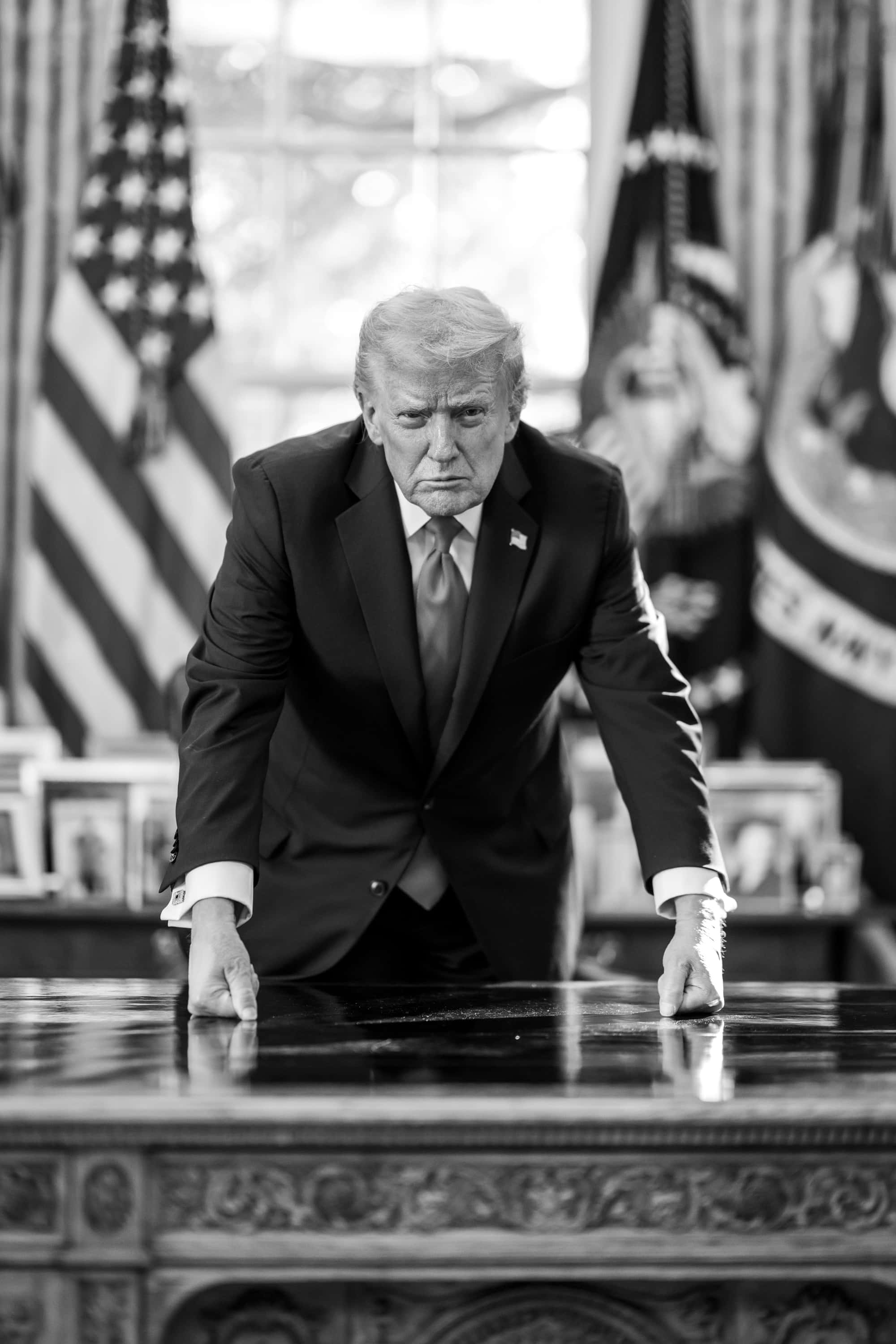 File photo · Jan 7, 2026 · Daniel Torok · Public domain · Source & license
The story
President Donald Trump brought Nvidia CEO Jensen Huang onstage and dismissed concerns about regulation of artificial intelligence. The appearance comes as Nvidia's business remains heavily exposed to demand for AI computing. Its fiscal 2026 revenue was $215.9 billion, up 65.5% year over year, with a 71.1% gross margin and a 55.6% net margin, according to company filings.
For Nvidia, the mechanism is direct: looser or more predictable AI rules could reduce friction for customers deploying data-center systems and support continued demand for the company's GPUs and related platforms. Huang's public association with Trump puts Nvidia at the center of the administration's technology-policy messaging.
Concrete policy actions or formal rulemaking will provide clearer evidence of regulatory changes. Nvidia's next reported results and outlook would show whether regulatory conditions are affecting orders, revenue growth or margins.
Our read · Mon, Sep 14
The appearance is a modest positive for NVDA, easing perceived policy risk around a $215.9B AI business without changing the regulatory framework.
Why. The immediate benefit is sentiment and access: presidential backing can lower perceived friction for AI deployments, which matters for Nvidia’s $215.9 billion fiscal 2026 revenue base and its 65.5% year-over-year growth. The setup is not strong enough for a directional call because the appearance produced no stated rule change, concession or quantified business impact; formal policy action and the next company outlook are the evidence that would move the read beyond symbolism.
Both cases
What could change this view: A formal AI rule or export restriction that raises compliance costs or limits customers’ access to Nvidia systems would overwhelm the supportive optics.
Who reported it · 2
Keep reading
More on NVDA
Alibaba aided China military-linked lab with AI computing technologyRansomware group The Gentlemen reportedly lists Nvidia for a leakDemocrats seek answers on Lutnick, Cantor and Nvidia lossesNvidia shares rise 3% after beat-and-raise quarter as JPMorgan flags volatilityNvidia chair rules out Huang return as CEO after 75% sales outlookLatest on the Wire
Trump threatens overseas AI data-centre ban for US firmsBitcoin drops below $59,000 as cash rush revives summer-low testGreer says US chip curbs will close China export-control loopholesBlackRock bitcoin ETF posts $541.1 million outflow as tech sell-off spreadsPoland says Russian missiles and drone crashed during Ukraine assaultContinue on the Wire →Latest on the Wire
Anthropic debut fails to halt technology-led slide in US stocksUS MATCH Act puts ASML at center of China chip export disputeGerman producer prices jump 8.1% in October as industrial inflation acceleratesChina seeks protections to restart US private-equity investmentsContinue on the Wire →Top this week
Nvidia allies lobby board to bring back Jensen Huang as CEOAnthropic Said to Guide IPO Pricing Above Market RangeNvidia interim CEO Colette Kress faces first earnings test after HuangAnthropic IPO could become the largest in US history on ThursdayBitcoin nears $64,000 as Anthropic IPO lifts Nasdaq futures nearly 2%About this report
Reported by Investing.com, . Who answers for this
2 reports from 2 publishers in this record. Closes are licensed end-of-day data from Databento; the move after a story is its first close against the close before it. How this is decided →
Kept as written · your side, if you take one, is graded privately against licensed closes after 10 trading days · nothing here is advice · How the Wire is made →