Sticky PCE inflation leaves a divided central bank ahead of Fed's Jackson Hole retreat
Sticky PCE inflation is leaving Federal Reserve officials divided ahead of the Jackson Hole retreat. That split raises the risk of a less dovish policy signal and keeps rate-sensitive markets exposed to renewed volatility.
The Federal Reserve enters its Jackson Hole retreat without a clear consensus on the inflation outlook or the next policy step. Personal Consumption Expenditures inflation remains sticky, complicating the case for a uniformly easier stance and making the gathering a focal point for competing views inside the central bank.
Jackson Hole has often served as a venue for senior Fed officials to clarify the policy framework and signal how they interpret incoming data. This year, the inflation backdrop is limiting the room for a simple dovish message: officials must weigh continued price pressure against the broader need to avoid keeping policy restrictive for longer than necessary.
The main connection runs through interest rates rather than a single company. A more cautious Fed message would tend to keep Treasury yields and the dollar sensitive to upside inflation surprises, while a stronger emphasis on slowing activity would support expectations for eventual policy easing. Equity sectors whose valuations depend heavily on lower discount rates are therefore tied to the tone of the communications.
The split itself is not evidence of an imminent policy change. PCE inflation can remain sticky while the Fed still changes its language if labor-market or growth data weaken, leaving the policy path dependent on subsequent releases.
The next clear information point is the Jackson Hole retreat, where remarks from Fed officials may show how widely the disagreement runs and whether inflation is still the dominant constraint. Markets will also need the next inflation and employment readings to determine whether the current stickiness is persistent or temporary. Until those events, the setup is primarily one of policy-signal risk rather than a fully specified single-asset trade.
The sticky-inflation backdrop keeps the Jackson Hole signal two-sided: hawkish risk supports rates and the dollar, while any clear dovish turn would relieve pressure on rate-sensitive assets.
The immediate consequence is a wider range of possible rate-market outcomes, not a clean single-name equity setup. Sticky PCE inflation raises the cost of a dovish Fed signal, but the reported internal division means the retreat could still produce easing expectations if officials emphasize growth or labor-market risks.
The setup is invalidated as a macro-volatility read if Jackson Hole officials converge clearly on a policy path and subsequent inflation data confirm it.
CoverageSource: Yahoo Finance · Published here FRI, AUG 28 · 9:01 AM ET · 2 reports · 1 publisher in this record · latest listed: Yahoo Finance · FRI, AUG 28 · 9:01 AM ETHow this is decided →
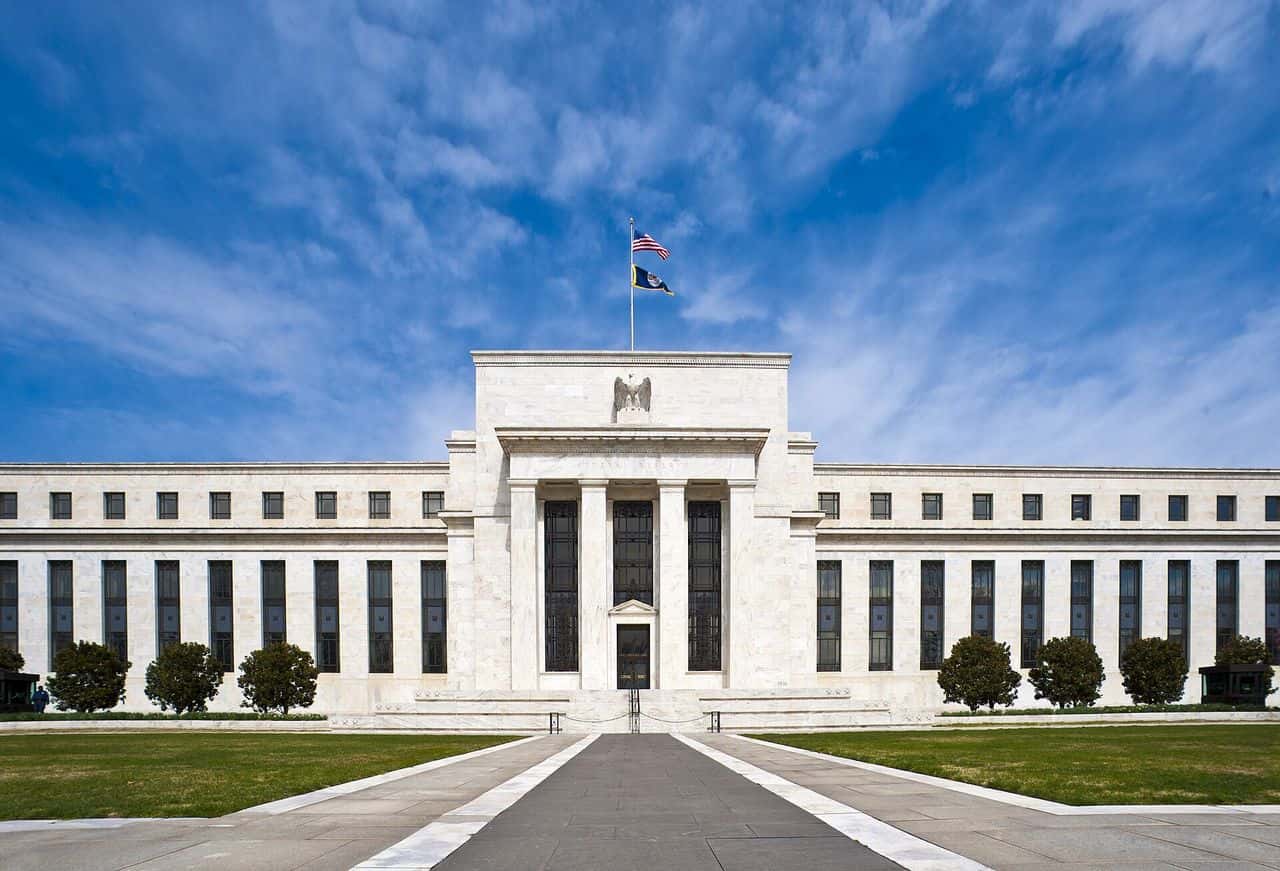 File photo · The Federal Reserve’s Eccles Building, Washington · Mar 2011 · Federal Reserve · Public domain · Source & license
Earlier context and later coverage are dated relative to this report. Automatically linked reports may cover a broader event.
No later reports linked yet.
Follow this story to find new evidence in your Following desk.
A hawkish Jackson Hole message would reinforce the inflation constraint and could extend support for higher rates and the dollar.
The division may generate little lasting market repricing.
Kept as written · your side, if you take one, is graded privately against licensed closes after 10 trading days · nothing here is advice · How the Wire is made →