Jackson Hole analyst roundup: Warsh's speech sends hike chances higher, may put Fed 'at odds' with Treasury
Fed Chair Kevin Warsh's hawkish remarks at Jackson Hole raised market expectations for a tighter policy stance at the September FOMC meeting. Analysts flagged the shift could put the Fed at odds with the Treasury Department, adding a fiscal-monetary friction point ahead of the decision.
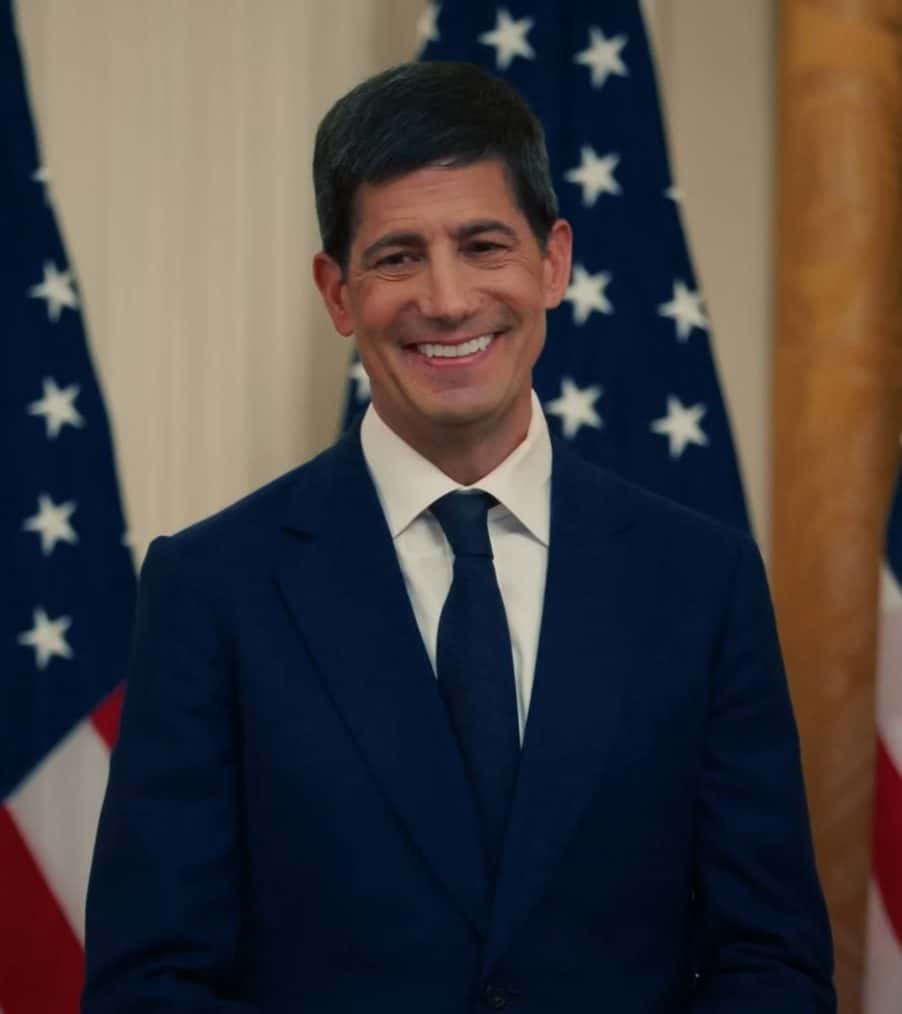 File photo · May 23, 2026 · The White House · Public domain · Source & license
The story
Analyst commentary following Jackson Hole centered on remarks from Fed Chair Kevin Warsh that were read as notably hawkish, prompting several desks to bump up the probability they assign to a more restrictive outcome at the September Federal Open Market Committee meeting. The coverage, aggregated by CNBC across multiple analyst notes, framed Warsh's tone as a departure from the more dovish rhetoric markets had priced in following recent labor market softness, and noted that rate-hike odds for the coming meeting moved higher in response.
The context matters here: Warsh took over as Fed Chair after a period in which markets had grown accustomed to a Fed leaning toward accommodation, given a string of softer data points earlier in the year. Jackson Hole is traditionally the venue where the Fed chair sets the tone for the following months, and prior editions under the previous chair had generally been interpreted as dovish or neutral. This year's speech broke from that pattern, according to the analyst roundup, with commentary suggesting Warsh is willing to tolerate market discomfort in service of inflation control.
The friction flagged by analysts is between the Fed under Warsh and the Treasury Department. Treasury's debt issuance calendar and its preference for lower financing costs on the government's growing debt load create an inherent tension with a central bank leaning hawkish, since higher policy rates raise the government's own borrowing costs. Analysts used the phrase 'at odds' to describe this dynamic, implying that Treasury officials may find themselves publicly or privately at cross-purposes with the Fed's rate path just as the September meeting approaches.
The roundup format means this is a synthesis of multiple analyst views rather than a single definitive read, and the degree of hawkishness attributed to Warsh varies by commentator. Some of the underlying uncertainty includes how much of the rate-hike repricing is durable versus a knee-jerk reaction to a single speech, and whether incoming data between now and the September meeting could reverse the shift. CNBC's summary itself frames this as raising 'hike chances' rather than confirming a hike, and no specific probability figures were included in the available reporting.
The next dated events that will test this thesis are the September FOMC meeting itself, along with employment and inflation data releases due before it that the Fed will weigh heavily. Any further public commentary from Treasury officials responding to the Fed's tone, or from Warsh himself clarifying the September speech, would also move the needle. Markets will be watching whether the hawkish repricing holds up against upcoming data or fades as a one-speech phenomenon.
Our read · Wed, Sep 2
Warsh's hawkish Jackson Hole tone shifts rate-hike odds higher into the September FOMC, a macro repricing best expressed through rates and duration exposure rather than a single equity name.
Why. A hawkish Fed chair colliding with Treasury's preference for lower financing costs is a genuine two-way setup: it could harden into sustained policy tightening or fade if incoming data undercuts the hawkish read before the meeting.
Both cases
What could change this view: A single speech can be over-read; softer labor or inflation data before the September meeting could quickly reverse the repricing, and this is a macro/rates story not a single-name equity trade.
Who reported it · 4
Keep reading
Latest on the Wire
AMD shares fall 11% after Hunterbrook warns over China linksWalmart raises full-year outlook as e-commerce wins shoppersAnthropic IPO could become the largest in US history on ThursdayContinuing claims rise as Goldman sees Fed hikes in December and MarchPIF Tower in Riyadh reportedly damaged in second Houthi attackContinue on the Wire →Latest on the Wire
Trump Media buys back $100 million of notes ahead of Nov. 30 cash demandBiohaven reports confirmed BHV-1530 responses in two FGFR3 cancersTrump, Xi and Putin pledge more refined fuel after first trilateral summitSky reserve linked to $518 million in illicit activity, investigation findsContinue on the Wire →Top this week
Nvidia allies lobby board to bring back Jensen Huang as CEONvidia chair rules out Huang return as CEO after 75% sales outlookAnthropic Said to Guide IPO Pricing Above Market RangeNvidia interim CEO Colette Kress faces first earnings test after HuangNvidia CEO Jensen Huang reportedly resigns as US-China tensions riseAbout this report
Reported by CNBC, . Who answers for this
4 reports from 4 publishers in this record. Closes are licensed end-of-day data from Databento; the move after a story is its first close against the close before it. How this is decided →
Kept as written · your side, if you take one, is graded privately against licensed closes after 10 trading days · nothing here is advice · How the Wire is made →


