The 'Great Satan' Strikes, The 'Snake' Bites Back: Damage Assessed From Iran Flare-Up After Deadly US Attacks
US strikes on Iran have triggered retaliatory drone-and-missile attacks against Gulf nations and Jordan, while Tehran reports 18 deaths from the American assault. The flare-up puts energy infrastructure, shipping through the Hormuz Strait and regional risk assets on a higher-alert footing, but the immediate market direction remains dependent on whether escalation broadens.
Iran is assessing casualties and physical damage after the United States launched a series of deadly attacks on Tuesday, with the reported targets concentrated in southern Iran and around the Hormuz Strait. Tehran says the death toll from the latest American assault has reached 18, including casualties reportedly linked to an alleged mass-casualty strike at a wedding.
The US operation was followed by Iranian drone-and-missile strikes against Gulf nations and Jordan. That sequence marks a move from a US attack on Iranian positions to a wider regional exchange, expanding the number of governments and infrastructure networks potentially exposed to further retaliation.
The Hormuz Strait is central to the story because the fighting is focused in its vicinity and because any threat to traffic there would connect the military events to energy markets and global transport. Gulf states and Jordan are directly implicated by Iran's reported retaliation, while the United States is the actor responsible for the initial strikes.
Important elements remain unverified or incomplete. Iran's casualty figure is a claim from Tehran, the reported strike at a wedding lacks independent confirmation, and the full extent of damage remains unclear. It is unknown whether the attacks caused a sustained closure or slowdown in the Hormuz Strait, nor is the scale of damage in the Gulf nations or Jordan established.
The next decisive developments are operational rather than corporate: confirmation of the reported casualties and damage, evidence of additional US or Iranian strikes, and any official action affecting passage through the Hormuz Strait. Statements from the US, Iran, Gulf governments and Jordan should clarify the targets and the scope of the retaliation. Market-sensitive follow-through will depend on whether the confrontation remains contained or produces a sustained interruption to regional shipping and energy infrastructure.
With no named company or ticker, the flare-up leaves the read at the regional-risk level: escalation around the Hormuz Strait is the material market variable, not a company-specific trade.
The immediate implication is a wider regional risk perimeter, but no listed company is identified, infrastructure damage is not quantified and disruption through the Hormuz Strait is not confirmed. The read therefore turns on official confirmation of the attacks' scope and any operational change to shipping or energy facilities, rather than on a single-name equity setup.
The tradeable risk fades if the reported strikes remain contained and shipping through the Hormuz Strait continues without material disruption.
CoverageSource: ZeroHedge · Published here THU, SEP 3 · 10:22 AM ET · 3 reports · 2 publishers in this record · latest listed: ZeroHedge · THU, SEP 3 · 10:22 AM ETHow this is decided →
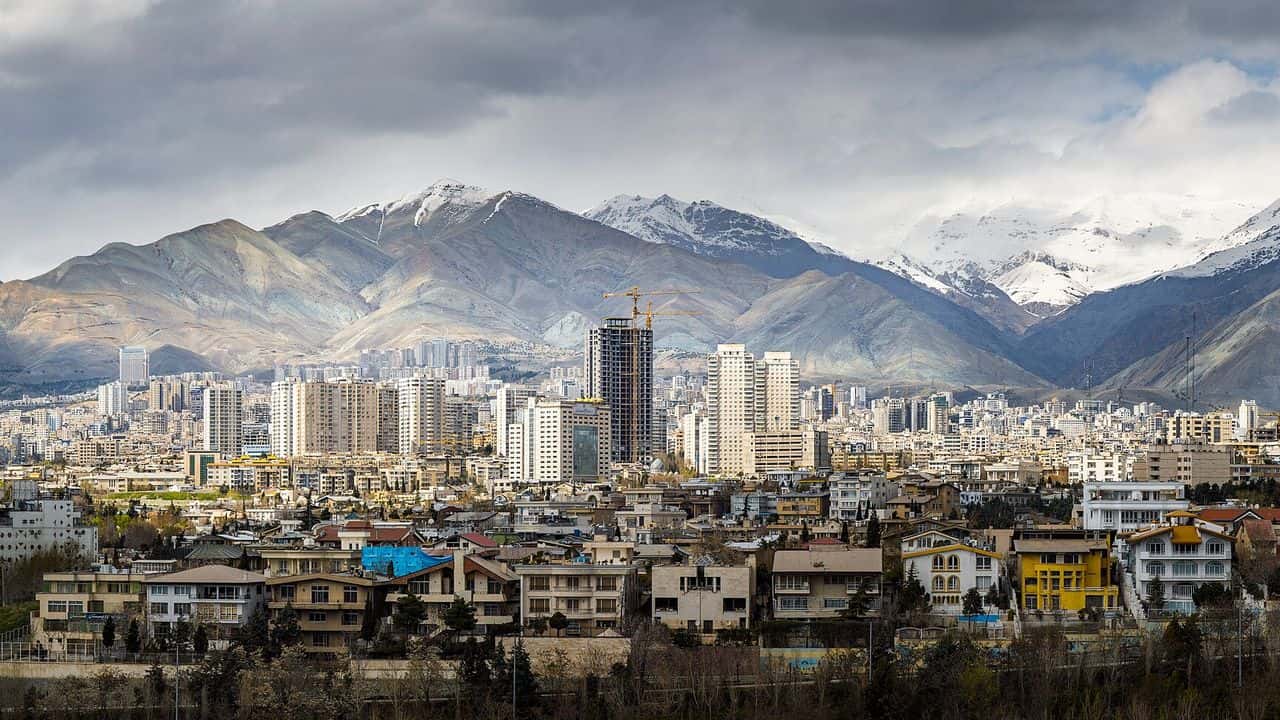 File photo · Tehran · Apr 2019 · Amir Pashaei · CC BY-SA 4.0 · Source & license
Earlier context and later coverage are dated relative to this report. Automatically linked reports may cover a broader event.
No later reports linked yet.
Follow this story to find new evidence in your Following desk.
For regional-risk hedges and energy-sensitive exposures, the concrete hook is the reported US focus near the Hormuz Strait followed by Iranian strikes against Gulf nations and Jordan.
The opposing case is substantial: there is no independent confirmation of the 18 deaths, no quantified infrastructure damage and no evidence that Hormuz traffic has been interrupted.
Kept as written · your side, if you take one, is graded privately against licensed closes after 10 trading days · nothing here is advice · How the Wire is made →