US lawmakers pass Russia sanctions bill targeting energy importers
US lawmakers have passed a Russia sanctions bill that Trump is expected to sign into law, potentially imposing levies on importers of Moscow’s energy, including US allies. The measure raises a fresh policy risk for energy trade and companies exposed to sanctioned Russian supply chains.
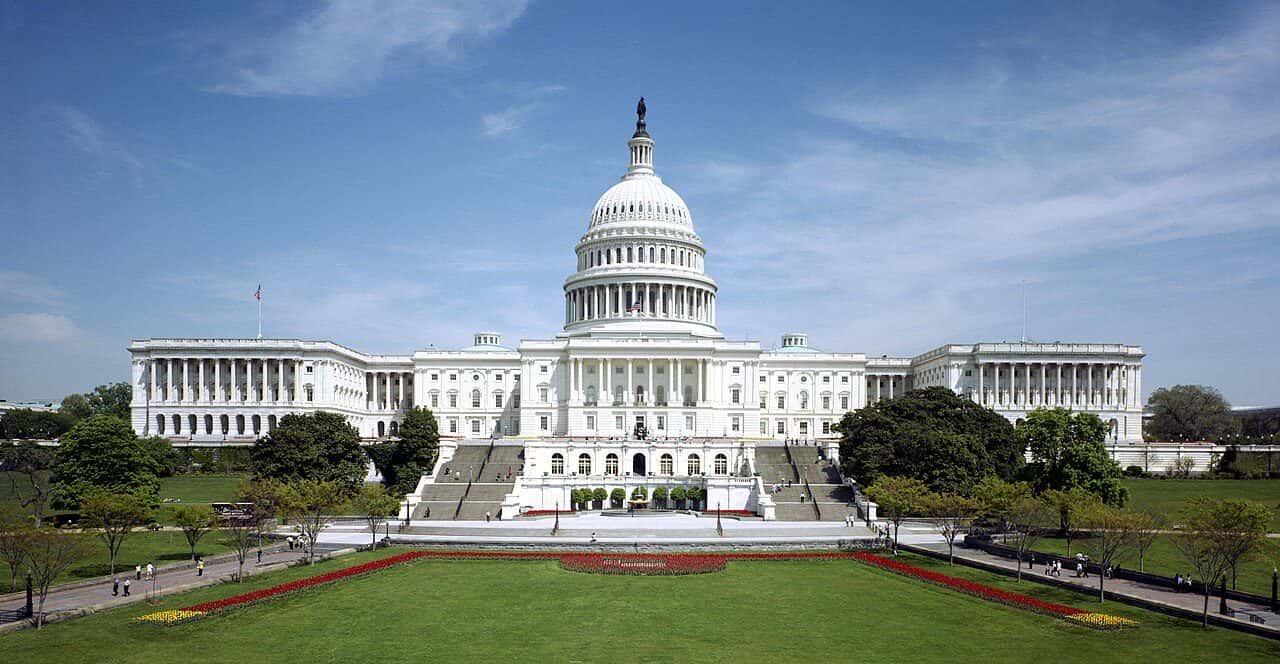 File photo · The US Capitol, west front, Washington · date unknown · Architect of the Capitol · Public domain · Source & license
The story
The bill passed by US lawmakers would create the possibility of levies on importers of Russian energy, with the measure expected to be signed by President Trump. The proposed reach includes US allies, making the policy relevant beyond direct US-Russia trade.
The legislation comes as Washington continues to use sanctions and trade restrictions to pressure Moscow. Its immediate market effect will depend on the final legal text, the timing of implementation and how the administration applies the measure after enactment.
Energy importers and companies with exposure to Russian crude, refined products or other Moscow-linked supplies could face higher compliance costs, disrupted procurement or changes in available supply. US allies named by the measure could also confront pressure to adjust established energy relationships.
The scope of the levies, the products covered and the exemptions or enforcement provisions remain important open points. The bill’s passage establishes a policy path, but the practical burden will depend on the signed law and subsequent administrative action.
Next steps are the expected signing and the release of implementing details. Markets will focus on the final provisions, the countries and energy flows covered, and any response from affected US allies and importers.
Our read · Wed, Sep 16
The Russia sanctions bill shifts energy-trade risk higher for importers and US allies, but the absence of a named company leaves no single-name equity read.
Why. The market consequence is a wider policy-risk premium around Russian energy flows, with the eventual impact determined by the law’s final scope and enforcement. Without a named company or quantified exposure, the setup is best treated as a cross-market regulatory development rather than a single-name trade.
Both cases
What could change this view: The bill may have limited near-term impact if implementation is delayed, exemptions are broad, or affected importers can reroute supply without material disruption.
Who reported it · 2
Keep reading
Latest on the Wire
UniCredit reaches agreement with Berlin over Commerzbank takeoverAustralia’s jobless rate hits 5-year high, markets ramp up rate-cut bets for 2027Trump meets Putin and Xi separately ahead of historic three-way talksHyperscale Data warns of $74.8 million gap for Michigan AI projectAlibaba aided China military-linked lab with AI computing technologyContinue on the Wire →Latest on the Wire
Meta pauses plan to give Zuckerberg new shares without losing controlFed releases October meeting minutes three weeks after policy decisionAnthropic Said to Guide IPO Pricing Above Market RangeXi gives Trump a rare hug at Shenzhen airport as US-China tone softensContinue on the Wire →Top this week
Nvidia allies lobby board to bring back Jensen Huang as CEONvidia chair rules out Huang return as CEO after 75% sales outlookNvidia interim CEO Colette Kress faces first earnings test after HuangNvidia CEO Jensen Huang reportedly resigns as US-China tensions riseNvidia CFO Colette Kress to serve as interim CEO after Jensen HuangAbout this report
Reported by Financial Times as US lawmakers pass Russia sanctions bill
, . Who answers for this
2 reports from 2 publishers in this record. Closes are licensed end-of-day data from Databento; the move after a story is its first close against the close before it. How this is decided →
Kept as written · your side, if you take one, is graded privately against licensed closes after 10 trading days · nothing here is advice · How the Wire is made →