Watch Live: Fed Chair Warsh Explains Why He Hiked Rates Into Stagflation
The FOMC unanimously raised interest rates for the first time since July 2023, even as recent inflation readings have cooled and economic surprises point toward stagflation. Fed Chair Warsh now faces a credibility trade-off: explain the hike without restoring explicit forward guidance while markets seek to learn whether policy tightening stops here or continues.
The Federal Open Market Committee unanimously delivered its first rate increase since July 2023, according to ZeroHedge, despite recent inflation prints slowing. The decision comes as incoming macroeconomic surprises are described as signaling stagflation, putting the central bank in the difficult position of tightening policy while growth and inflation signals are moving in an uncomfortable combination.
The move is framed as a credibility decision rather than a straightforward response to accelerating inflation. The immediate policy signal is clearer than the committee’s reaction function.
Warsh’s communication is the next transmission channel. He is expected to explain the decision without reverting to forward guidance, while markets try to determine whether the hike is a one-off credibility measure or the opening move in a broader tightening cycle. That distinction matters for the path of rates and for assets whose valuations depend on policy expectations.
No company-specific evidence is attached to the decision. The key uncertainty is therefore policy persistence: a one-and-done move would carry a different market message from further tightening into stagflation.
Warsh’s remarks are the immediate event to watch. Subsequent inflation, growth and labor-market releases will determine whether the FOMC can justify additional tightening or has to acknowledge that the costs of fighting inflation are rising as activity weakens.
The FOMC’s hike shifts the macro risk toward tighter financial conditions, but Warsh’s one-and-done signal could limit the move’s duration.
The immediate consequence is a higher bar for risk assets as the Fed prioritizes credibility despite slowing inflation and stagflation signals. The read remains two-sided because Warsh’s explanation could frame the increase as a one-off rather than the start of a sustained tightening cycle.
A clear indication from Warsh that the hike is one-and-done, or evidence that growth is weakening faster than inflation, would undercut the tightening interpretation.
CoverageSource: ZeroHedge · Published here WED, SEP 16 · 2:25 PM ET · 2 reports · 2 publishers in this record · latest listed: The Workshop · FRI, SEP 18 · 7:49 AM ET (reaction)How this is decided →
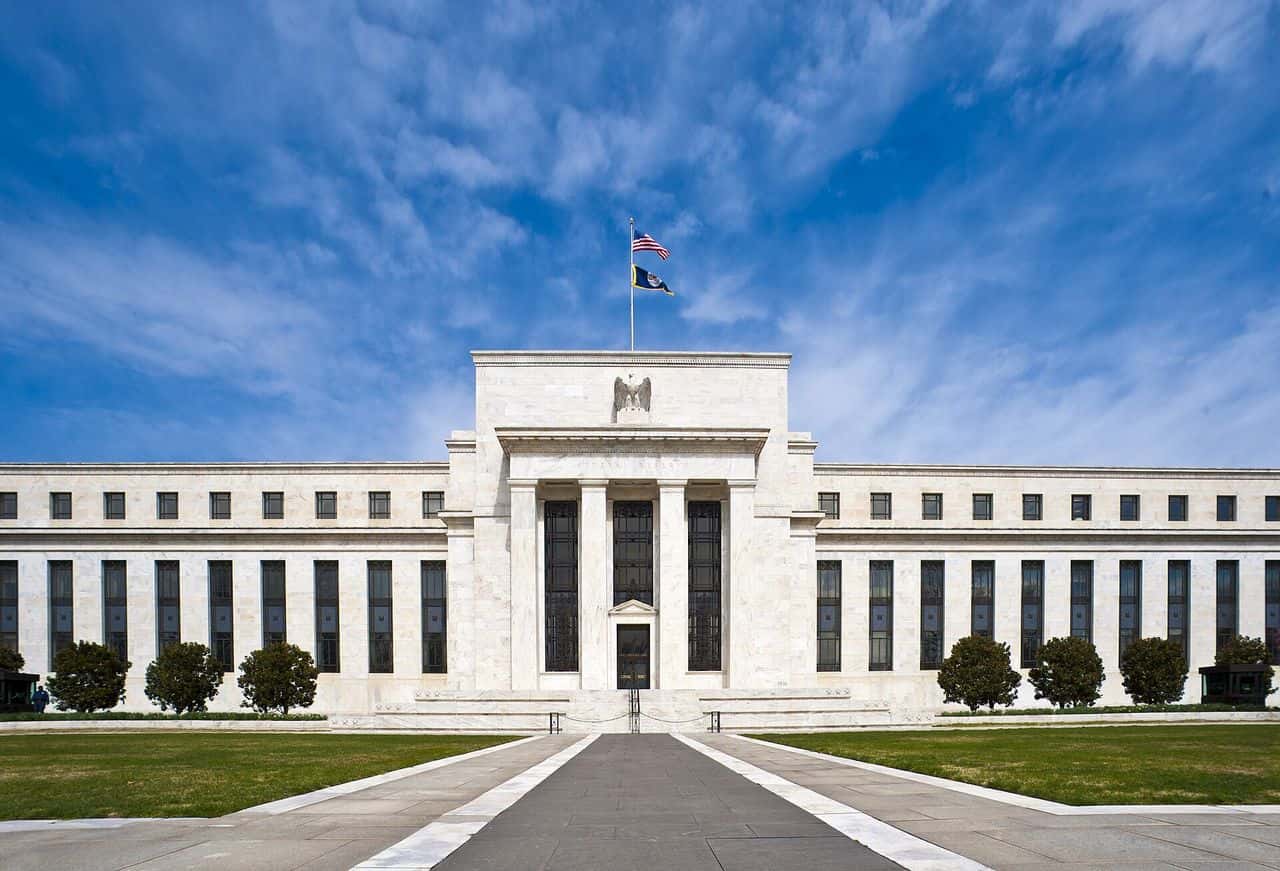 File photo · The Federal Reserve’s Eccles Building, Washington · Mar 2011 · Federal Reserve · Public domain · Source & license
Earlier context and later coverage are dated relative to this report. Automatically linked reports may cover a broader event.
No later reports linked yet.
Follow this story to find new evidence in your Following desk.
The unanimous hike and stagflation backdrop support a tighter-policy reading that can keep financial conditions restrictive.
The move may be a one-off credibility action.
Kept as written · your side, if you take one, is graded privately against licensed closes after 10 trading days · nothing here is advice · How the Wire is made →