DeepSeek's 160,000 Huawei Order Is A Real Threat To Nvidia In 2027
DeepSeek reportedly plans to deploy at least 160,000 Huawei Ascend 950DT processors at a new Ulanqab data center, creating a potential large-scale alternative to Nvidia hardware in China by 2027. The setup raises a credible long-term competitive risk for Nvidia, but the limited information on deployment timing and contract status leave the near-term earnings impact unestablished.
Bloomberg, as cited by ZeroHedge, reported on Friday that DeepSeek intends to use at least 160,000 of Huawei's newest Ascend 950DT AI processors in part of a data-center project in Ulanqab, roughly 350 kilometers northwest of Beijing. The facility is described as having a gigawatt-scale footprint and, at full capacity, power demand comparable to supplying 750,000 homes. If completed as described, the cluster would be the largest known deployment of Chinese-made AI silicon.
The report places the potential deployment in a 2027 competitive timeframe rather than in Nvidia's current reported fiscal results. Nvidia's latest annual performance shows FY2026 revenue of $215.9B, up 65.5% year over year, with a 71.1% gross margin and 55.6% net margin.
For Nvidia, the mechanism is direct: a large Chinese AI buildout using Huawei processors could represent demand that does not flow to Nvidia accelerators, while also giving Huawei a reference deployment for future domestic customers. For Huawei, the order would provide a significant operating test for the Ascend platform.
The evidence remains incomplete. Bloomberg's report does not independently establish that the full 160,000-unit order has been contracted, when shipments begin, or how many processors the site can actually operate. Huawei's processors have known limitations but no quantified benchmark or availability data has been disclosed.
The next decisive evidence would be confirmation of the order and deployment timeline, followed by Nvidia's subsequent earnings disclosures on China-related demand and any company or government updates on the Ulanqab facility. Until then, the story supports a 2027 strategic risk thesis more clearly than a quantified change to Nvidia's current earnings outlook.
DeepSeek reportedly plans to deploy at least 160,000 Huawei Ascend 950DT processors at a new Ulanqab data center, creating an alternative to NVDA hardware by 2027.
The risk is strategic rather than an immediate estimate reset: a confirmed 160,000-unit Huawei cluster could divert Chinese AI demand from Nvidia and strengthen a domestic alternative. Nvidia's current financial position remains strong at $215.9B of FY2026 revenue, up 65.5% year over year, with 71.1% gross margin, so this reported project does not yet outweigh the existing business trajectory.
The thesis fails if the reported order is not formally contracted, the Ulanqab buildout is delayed, or Huawei's processors cannot be deployed at the described scale. Delivery dates, commercial terms, and performance benchmarks against comparable Nvidia solutions remain unverified.
CoverageSource: ZeroHedge · Published here SAT, SEP 5 · 4:55 PM ET · the only report in this recordHow this is decided →
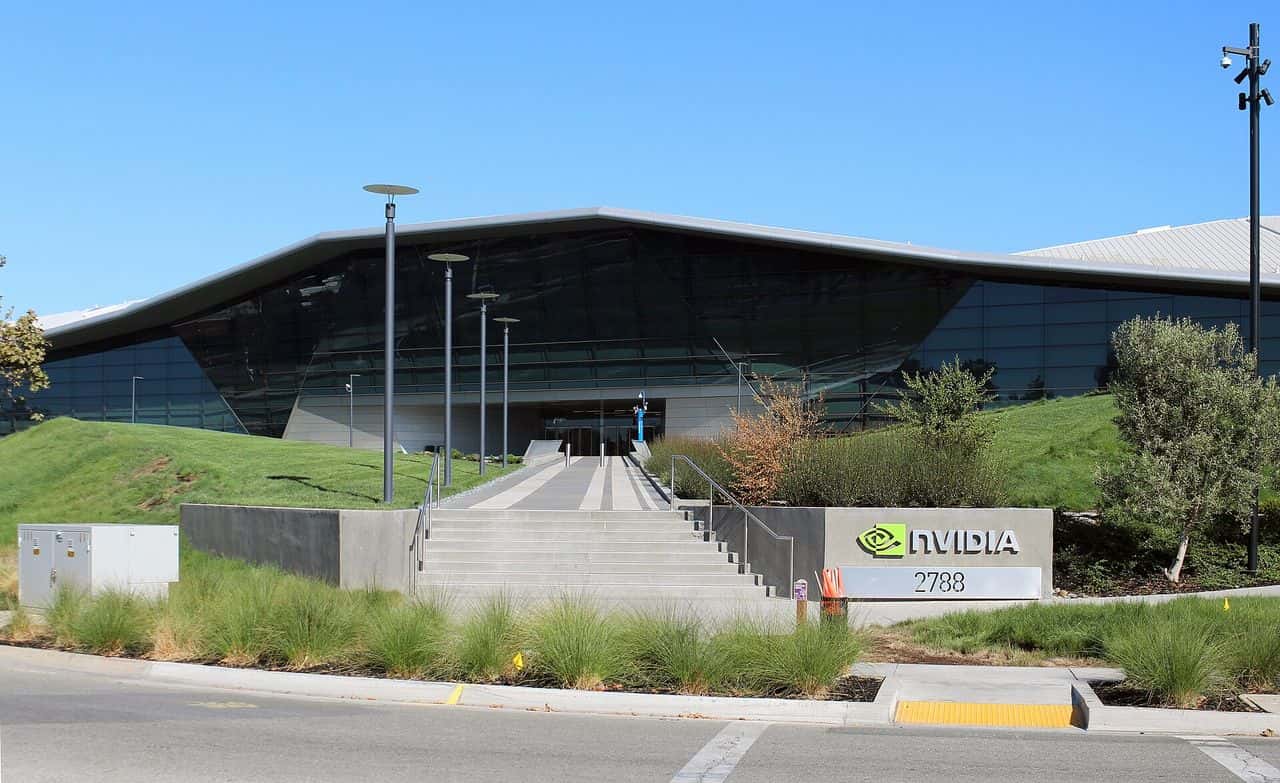 File photo · NVIDIA’s headquarters, Santa Clara · Aug 2018 · Coolcaesar · CC BY-SA 4.0 · Source & license
Earlier context and later coverage are dated relative to this report. Automatically linked reports may cover a broader event.
No later reports linked yet.
Follow this story to find new evidence in your Following desk.
Price context does not establish that the story caused the move.
Nvidia’s FY2026 revenue reached $215.9B with 65.5% year-over-year growth, while the reported Huawei project is not yet tied to a quantified hit to current results.
A plan for at least 160,000 Huawei Ascend 950DT processors would create a large Chinese reference deployment that could displace Nvidia demand in China by 2027, though the status of formal contracting and execution timelines remain unconfirmed.
Kept as written · your side, if you take one, is graded privately against licensed closes after 10 trading days · nothing here is advice · How the Wire is made →