Nvidia raising Vera Rubin and Grace Blackwell prices 15% next year amid memory cost surge
Nvidia is informing hyperscale customers that Vera Rubin and Grace Blackwell systems will rise in price by 15% next year as memory costs surge. The move creates a near-term test of Nvidia’s pricing power: it can protect margins if customers absorb the increase, but elevated system costs could pressure deployment economics and demand.
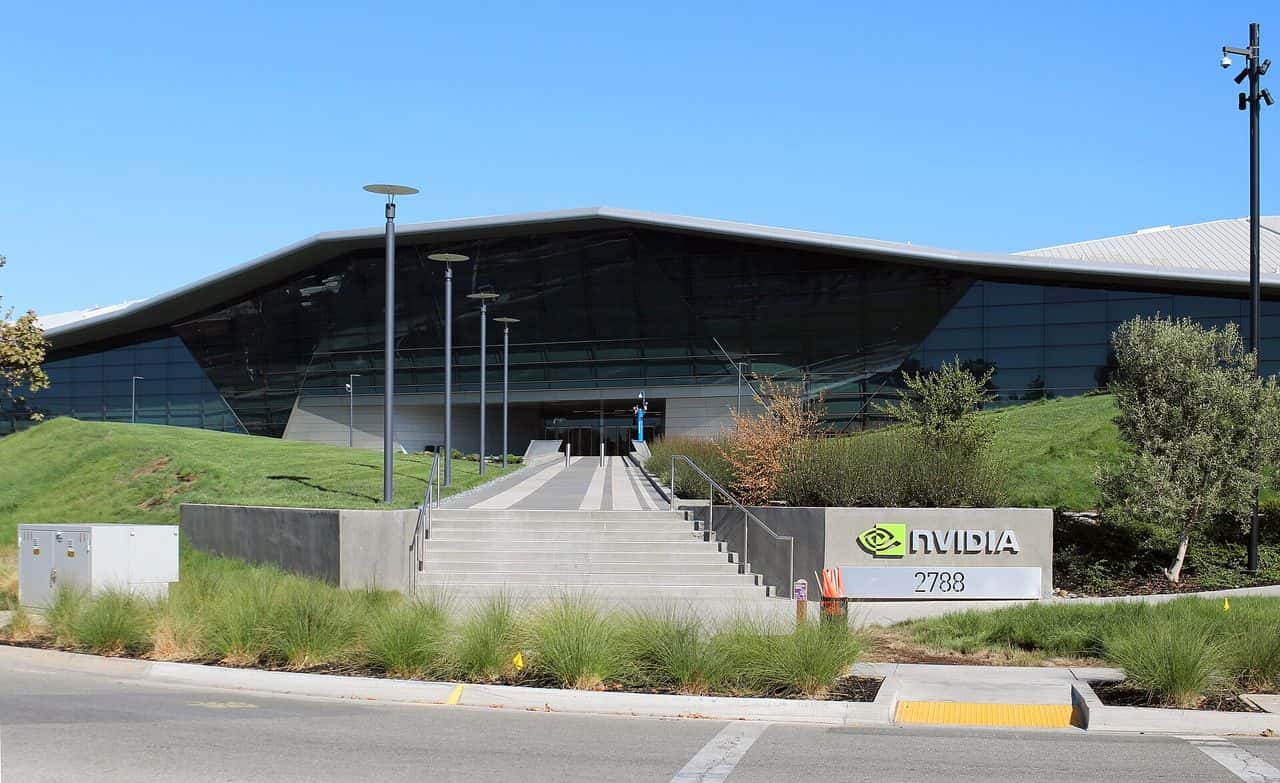 File photo · NVIDIA’s headquarters, Santa Clara · Aug 2018 · Coolcaesar · CC BY-SA 4.0 · Source & license
The story
Nvidia has told its largest hyperscaler customers to expect higher prices next year. The increase is expected to apply to Vera Rubin and Grace Blackwell processors, with the exact size potentially varying by chip configuration and related system costs.
Nvidia's next-generation accelerator platforms are directly linked to the sharp rise in memory costs. Hyperscalers are the immediate counterparties, while Nvidia's reported FY2026 revenue of $215.9B, up 65.5% year over year, and its 71.1% gross margin provide the financial backdrop for assessing how much of the inflation it can pass through.
The key follow-through is customer behavior and margin disclosure. Watch for changes in hyperscaler capital-spending plans, evidence that memory supply remains constrained, and Nvidia's next results for signs that higher system prices are supporting gross margin rather than slowing order growth.
Our read · Wed, Aug 26
Nvidia (NVDA) told hyperscale customers that Vera Rubin and Grace Blackwell systems will rise 15% in price next year as memory costs surge.
Why. Pricing the Rubin and Grace Blackwell systems higher gives NVDA a direct mechanism to offset memory inflation while its reported 71.1% gross margin leaves room to defend profitability. The setup is constructive, but the read depends on hyperscalers absorbing the increase without reducing deployment plans; the next margin and capex signals are the key confirmation.
Both cases
What could change this view: The trade fails if hyperscalers push back on the 15% increase, defer AI infrastructure orders, or if memory costs rise faster than Nvidia can pass them through.
Who reported it · 4
Keep reading
More on NVDA
Alibaba aided China military-linked lab with AI computing technologyRansomware group The Gentlemen reportedly lists Nvidia for a leakDemocrats seek answers on Lutnick, Cantor and Nvidia lossesNvidia shares rise 3% after beat-and-raise quarter as JPMorgan flags volatilityNvidia chair rules out Huang return as CEO after 75% sales outlookLatest on the Wire
Trump threatens overseas AI data-centre ban for US firmsBitcoin drops below $59,000 as cash rush revives summer-low testGreer says US chip curbs will close China export-control loopholesBlackRock bitcoin ETF posts $541.1 million outflow as tech sell-off spreadsPoland says Russian missiles and drone crashed during Ukraine assaultContinue on the Wire →Latest on the Wire
Poland says Russian missiles and drone crashed during Ukraine assaultAnthropic debut fails to halt technology-led slide in US stocksBeijing plans to bar young red-chip firms from overseas listingsGerman producer prices jump 8.1% in October as industrial inflation acceleratesContinue on the Wire →Top this week
Nvidia allies lobby board to bring back Jensen Huang as CEOAnthropic Said to Guide IPO Pricing Above Market RangeNvidia interim CEO Colette Kress faces first earnings test after HuangAnthropic IPO could become the largest in US history on ThursdayBitcoin nears $64,000 as Anthropic IPO lifts Nasdaq futures nearly 2%About this report
Reported by ZeroHedge as Nvidia Informs Hyperscalers About Incoming Price Hikes As Memory Costs Soar
, . Who answers for this
4 reports from 3 publishers in this record. Closes are licensed end-of-day data from Databento; the move after a story is its first close against the close before it. How this is decided →
Kept as written · your side, if you take one, is graded privately against licensed closes after 10 trading days · nothing here is advice · How the Wire is made →